


Violet is the Illinois state flower, but it’s been the chokeberry plants that have attracted some national attention.
Top Story
Community
Will County chokeberry seeds getting their closeup in genetic preservation program
1 of 3
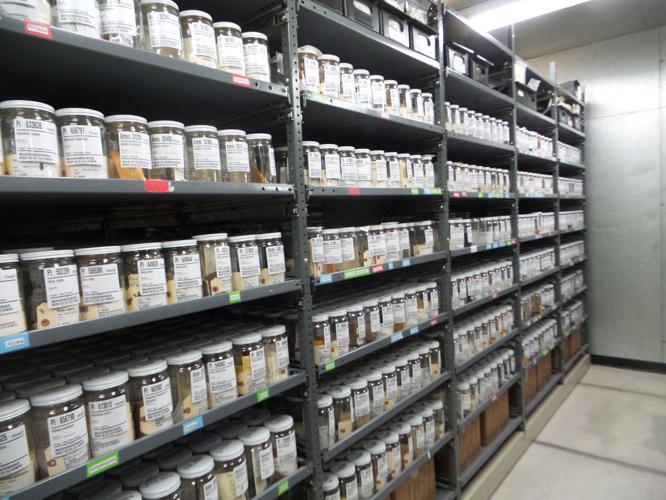
The North Central Regional Plant Introduction Station in Ames, Iowa, stores seeds for research and preservation.
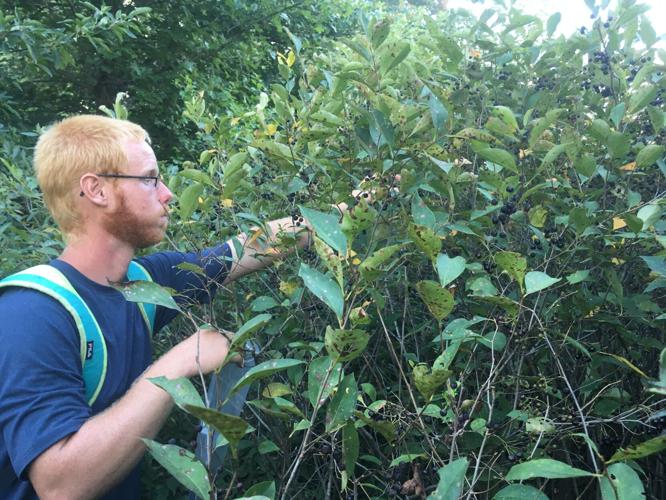
A chokeberry sampling is taken from the Kankakee Sands Preserve.
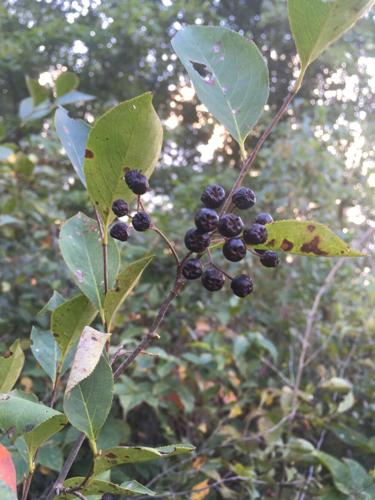
The chokeberry fruit is high in antioxidants.

Consolidated High School District 230 found its Niche.

The Orland Park Board of Trustees sees it has chosen 44-year-old Eric Rossi, an 18-year veteran of the village police force, as its new chief.

Bluegrass entertainers are heading back to Frankfort July 9-10 for a festival that's been on pandemic hold.

Reese Guzior went for the gold at the International Cheer Union Junior World Cheerleading Championships in Orlando.

Ferret fans gathered in Lockport for Woozlefest, the annual celebration of their playful pets.

This year’s running of the Lincoln-Way East Invitational boys volleyball tournament offered a potential look at two state championship runs.

A year ago, Tatumn Milazzo was a newbie on the Chicago Red Stars. Now she is a seasoned veteran, mentoring rookies and modeling the team's new kit

Mark Bettin of Mokena and Scott Mortenson of Oak Park are 2021 Volunteers of the Year for the Forest Preserve District of Will County.

The Forest Preserve District of Will County has received two awards from the National Association of County Park and Recreational Officials.

The Forest Preserve District of Will County’s Police Department has joined the Operation Disrupt campaign in an effort to help those who may …

Two of the Forest Preserve District of Will County’s oldest trails will be upgraded in a $1.37 million project to repave and repair the popular paths.

Five Iron Golf, an indoor golfing entertainment concept, recently opened a location at Block37 in Chicago's Loop.

The Inspired Home Show was held in March.


