


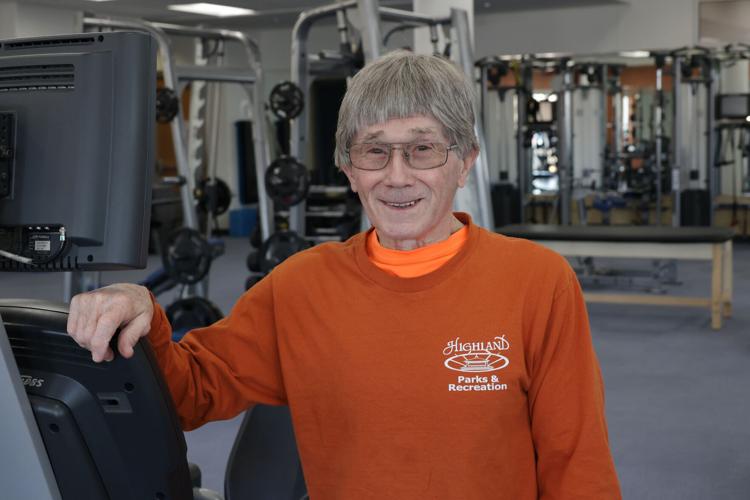
John Bobalik, a personal trainer at Highland Parks,says the keys to exercise for weight-loss are finding one you like, one you'll do and one you'll stick with.
Fitness trends tend to come and go.
But it probably didn’t take a declaration from the American College of Sports Medicine for most people to acknowledge exercise for weight management as an official trend for 2026. After all, dropping a few pounds or getting into a smaller size have long been the motivation for many a jogger or gymgoer.
But perhaps the ACSM announcement is more notable amid the proliferation of pharmacologic weight management options. It can, after all, serve as a timely reminder that the research supporting these miracle drugs advocates for regular exercise for more sustainable results.
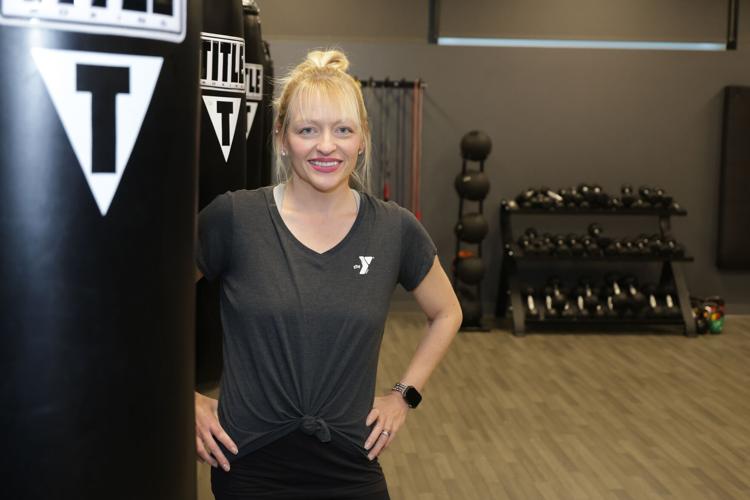
With that in mind, we reached out to a pair of veteran local trainers — John Bobalik, a group fitness instructor and personal trainer for Highland Parks and Recreation and former director of the Purdue Northwest Fitness Center, and Mary Marchetti, a personal trainer and yoga and boxing instructor at the Southlake YMCA — to get their thoughts and recommendations on exercising for weight management. Answers have been lightly edited for clarity and space.
Choosing the right exercises for weight management
John Bobalik: Some exercises like jogging, running, high-intensity interval training and high-impact aerobics are great calorie-burning choices. But for beginning exercisers, these may not be orthopedically good choices due to the risk of injury. Because if you’re injured, you can’t exercise.
On the other hand, riding a recumbent bike, using a rowing machine or hopping on a NuStep or SciFit bike are orthopedically safer choices with a much lower risk for injury. But because you exercise from a sitting position and your body weight is supported, these choices don’t burn a lot of calories.
The bottom line is that when you select an exercise for weight management, you inevitably get into a trade-off. There just isn’t one single exercise that burns the most calories and is also orthopedically the safest choice.
That’s why my recommendation is to pick an exercise that you enjoy doing and are likely to stick with. Consistency is the key to making progress in a weight loss/weight management program. It’s a habit you have to get into and make it part of your lifestyle.
Mary Marchetti: The foundation of successful weight loss and long-term weight management is a balanced, nutritious diet paired with movement you genuinely enjoy. That’s why the best workout is the one you’re excited to show up for. Whether it’s boxing, yoga, dance fitness or a mix of classes, you have to choose activities that keep you motivated and engaged.
Equally important is tuning into your body. Factors like age, gender, weight and current fitness level all influence how exercise feels and what intensity is appropriate. Avoid comparing yourself to others in a class and instead focus inward and challenge yourself based on your own limits. Your “10 out of 10” effort may look completely different from someone else’s, and that’s perfectly OK. Progress comes from building strength and endurance according to your individual pace and capacity.
How to begin a weight management exercise program
Bobalik: If you’re an older adult, get medical clearance before you start to make sure you’re healthy enough to begin physical activity. Your doctor may be able to recommend a personal trainer or exercise physiologist that you can work with. Additionally, your doctor may have some of his/her patients that currently work with a personal trainer or may be able to recommend a medically based fitness center for you to check out.
Marchetti: Sustainable weight loss begins in the kitchen, so start by assessing your eating habits and gradually cutting back on processed, unhealthy foods. As you improve the quality of your fuel, you’ll likely notice your energy and motivation to move increasing as well. When you combine better nutrition with consistent exercise, your routine becomes more manageable and effective, and you’ll typically see results faster than relying on diet or workouts alone.
Common mistakes when exercising for weight management
Bobalik: Not asking for help when you start. Thinking that exercise gives you a license to eat whatever you want. It’s very difficult to lose weight and keep it off if you don’t learn to make healthy food choices. Thinking that walking by itself is enough for weight loss. It’s a great cardio exercise, but it won’t prevent the loss of upper body muscle mass and functional ability — only strength training will do this.
Marchetti: Not including a few rest days in your weekly schedule to prevent burnout. Keep in mind that a rest day doesn’t have to mean doing nothing. It can absolutely include light activities like yoga, walking or gentle stretching to support recovery while keeping you moving.


