


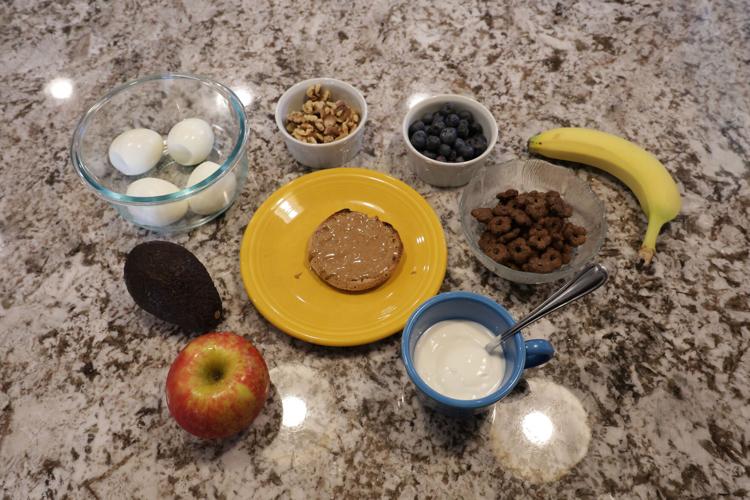

Health coach Carol Slager offers tips to get kids to eat a breakfast that will keep them going to lunch.
When I was growing up, breakfast often consisted of orange juice, cereal, toast or sometimes a toaster pastry.
My favorite pastry flavors were unfrosted strawberry and chocolate with chocolate frosting. If I chose strawberry, I didn’t want frosting because I preferred it toasted and buttered.
I have no idea what the nutritional value was, which is probably just as well.
With all the research that’s been done on the best morning brain food, I’m fairly certain there’s room for improvement from my childhood choices. As I recall, this was pretty standard fare for my friends, as well.
We know that back-to-school mornings can feel like a small Olympic event. With missing shoes, packing backpacks and walking the dog, finding time to eat a nutritious breakfast can seem impossible. Grabbing a granola bar on the way out the door is sometimes the best we can hope for. But of all the back-to-school habits worth protecting, a good breakfast might be the one with the biggest payoff for the smallest effort.
People are also reading…
Research has consistently shown that eating breakfast is linked to better memory, attention and school performance in children and teens. It also appears to support mood and attendance. That makes sense when you think about it. After a night of sleep, kids are essentially running on empty. Their brains need fuel for listening, problem-solving, remembering directions, managing emotions and not having a meltdown before math class.
A brain-supportive breakfast usually includes protein, fiber-rich carbohydrates and a little healthy fat. Protein, found in foods including eggs and Greek yogurt helps with fullness and steadier energy. Fiber-rich carbs, such as oats, whole-grain toast, fruit or beans, provide fuel without the quick spike and crash that can come from very sugary breakfasts. Healthy fats from nut butter, avocado, nuts, seeds and such help make the meal more satisfying.
Comparing breakfasts
A toaster pastry or granola bar and juice may provide quick energy, that may not last very long. A bowl of oatmeal with milk, berries and nuts or nut butter, or whole grain toast with eggs and fruit, gives the body more to work with over time. That staying power matters when lunch may be several hours away.
Cereal can be a good choice when it’s low in sugar and made with whole grains and fiber. Eaten with a side of protein such as Greek yogurt, hard-boiled egg or smoothie, the child who loves cereal need not be denied. Offer your child some of the foods he or she enjoys and add brain-boosting foods, rather than doing an overhaul and setting the stage for a morning battle.
Another reason for including eggs on the breakfast menu is because they contain choline, a nutrient involved in memory, mood and nervous system function. Yogurt or milk adds protein and calcium. Oats and whole grains provide fiber. Berries, bananas, apples or oranges bring vitamins, minerals and color. Nut or seed butters can add protein and healthy fat in a very kid-friendly way.
For kids who aren’t hungry in the morning, start small. A smoothie, half a sandwich, yogurt drink, cheese stick with fruit or some homemade trail mix may be more realistic than a plate of eggs. Some kids need a little time before their appetite wakes up. In that case, a small breakfast at home plus a simple snack for later can be a workable solution.
Remember water
Even mild dehydration can make kids feel tired, headachy or less focused. Sending a water bottle and encouraging a few drinks before school is a simple habit that supports the whole day.
Breakfast does not have to be a perfectly crafted nutritional masterpiece to be helpful. The goal is to send your kids out the door with a little more steadiness in their bodies and brains by making breakfast just a little bit better.
A well-fed brain is better prepared to learn, listen, remember and make new friends. And on a school morning, that’s a win for everyone.
Carol Slager is a licensed pharmacist, author, blogger and health coach in Northwest Indiana. Follow her monthly in Get Healthy and at inkwellcoaching.com. Opinions expressed are the writer's.


