


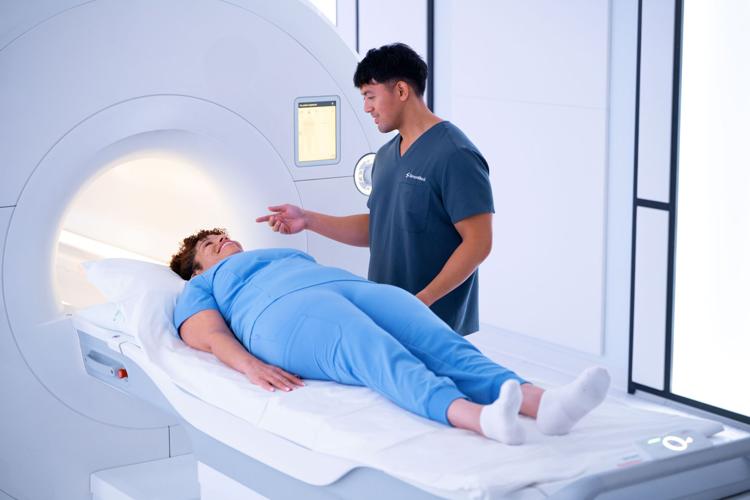

From Kim Kardashian to Kate Hudson and Jason Bateman, a growing number of celebrities have drawn attention to full-body scans, spotlighting a once-niche preventive screening that’s now entering the mainstream wellness conversation.
While full-body scans aren’t widely available in Northwest Indiana, Region residents don’t have to travel far to access these tools designed to detect potential health concerns early. Several private imaging centers, where patients typically pay out-of-pocket for the scans, are just across the Indiana-Illinois state line.
“The goal is to provide a comprehensive snapshot of internal health before symptoms develop, particularly for individuals who want a more preventive and data-driven approach to their health care,” said Dr. Sean Raj, chief innovation and medical officer at SimonMed, which has centers in Tinley Park and other locations throughout Chicago. “For many patients, it’s about peace of mind. For others, it’s about early detection and building a long-term understanding of their health trajectory.”
People are also reading…
Major hospital systems in the Region and Chicago generally do not provide broad, elective full-body MRI scans to asymptomatic patients. They focus on targeted screenings based on risk factors and clinical need, said Dr. Amjad Alkadri, interventional radiologist for Radiologic Associates of Northwest Indiana.
“The American College of Radiology, which is the main professional body for radiologists, does not recommend a full-body MRI to screen people who have no symptoms,” Alkadri said. “There is no good evidence that it helps them live longer, and it produces a lot of false alarms.”
However, he notes one exception: A genetic condition that gives patients a high risk of cancer called Li Fraumeni syndrome.
“For those patients, a full-body MRI is recommended and is part of their normal care, because they start out at high risk, so the scan is much more likely to find something that truly matters,” Alkadri said.
While Alkadri says there are some benefits to a full-body MRI — no radiation is used and the scans show soft tissue clearly — he says without contrast dye, it isn’t the best tool for evaluating the colon, lungs or heart arteries.
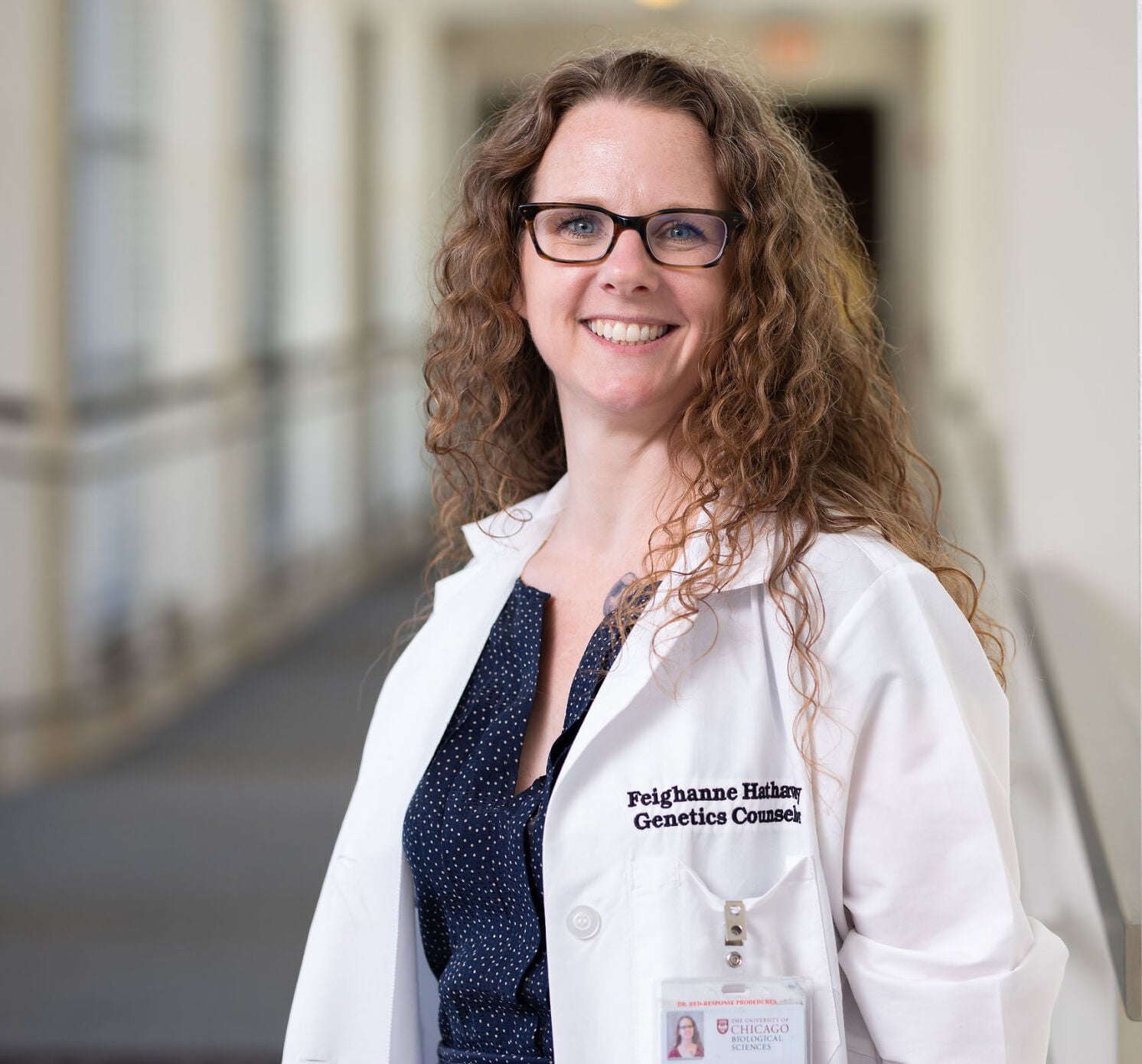
Feighanne Hathaway, a genetic counselor with UChicago Medicine Comprehensive Cancer Risk and Prevention Clinic, says MRIs can be a useful tool in disease diagnosis and prevention, but warns they are highly sensitive.
“When something is seen, it’s hard to know whether it’s a real concern,” she says. “They can produce false positives, and when you do a second MRI later on, it becomes more clear what’s normal for your body.”
A full-body scan may reveal areas that warrant a second look or follow-up testing, Hathaway says.
“A lot of doctors are more reluctant to use them for all parts of the body at once because it’s more difficult to follow up,” she said.
Dr. Sara Torabi, radiation safety officer with NorthShore Health Centers, notes that a whole-body scan will turn up something in a large share of healthy people — usually benign cysts or harmless nodules.
“Those findings then drive more imaging, biopsies, cost and anxiety, with little real upside,” she said.
Alkadri says he often sees many of these patients seeking follow-up testing and scans.
“I see this constantly in my own work,” Alkadri said. “A spot turns up, we look into it, and it is nothing. Once in a while, looking into one does catch something early. Both happen, and that is exactly what makes these scans tricky.”
Still, Raj says these scans can have a place in preventive health care when accompanying traditional care.
“Full-body MRI is most useful in identifying a wide range of structural and early-stage abnormalities, including certain cancers, liver disease, brain abnormalities, vascular findings and other conditions that may not yet be causing symptoms,” Raj said. “You’re looking at multiple organ systems in one exam, which can surface findings outside the scope of single-purpose screening tests.”
While Raj says most incidental findings are ultimately benign, occasionally they lead to discoveries that change a patient’s care trajectory, such as early-stage tumors.
“The most impactful cases are often the simplest: An asymptomatic patient comes in for reassurance and leaves with an early detection that allows for timely intervention and a much better outcome,” he said. “That’s where preventive imaging really shows its value.”
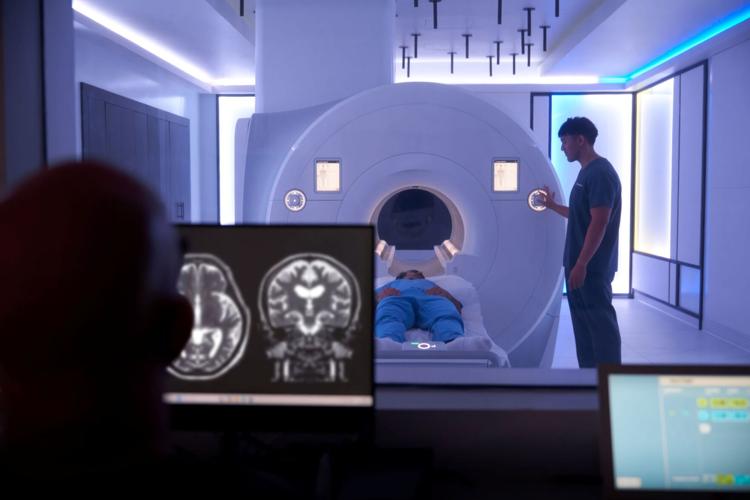
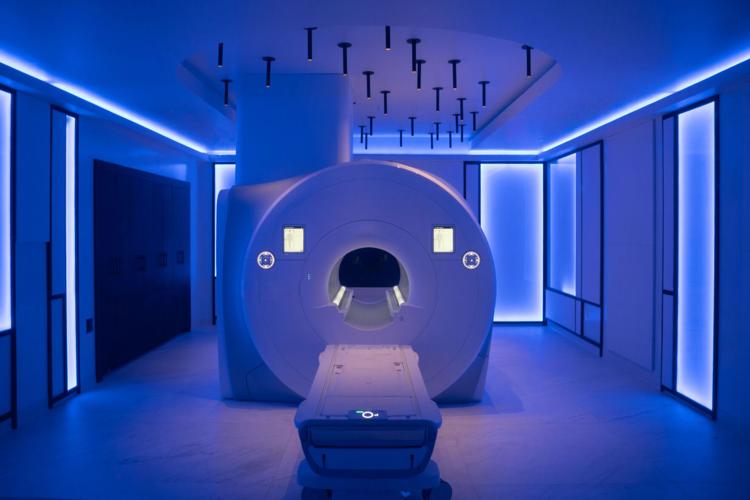
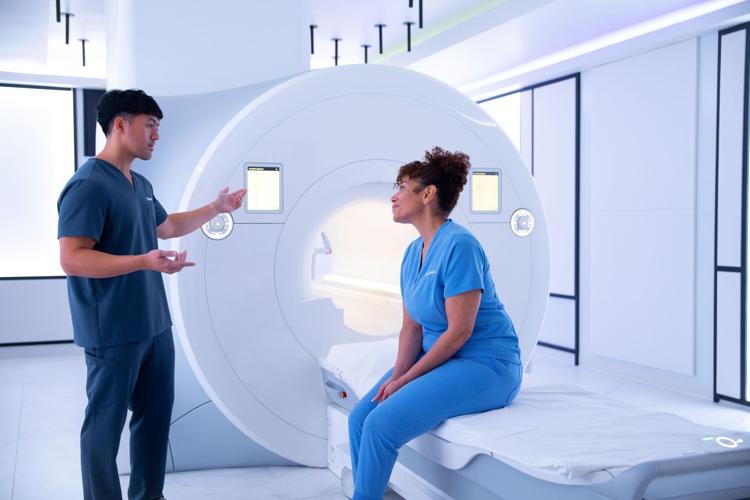
At SimonMed, the scan is performed with advanced MRI systems that use magnetic fields rather than ionizing radiation. The scans employ high-resolution 3T technology depending on the center and may focus on different levels of anatomical detail or targeted areas based on the patient’s selection.
After imaging, which can take around an hour, board-certified radiologists interpret the results, looking for structural abnormalities that may warrant further attention, he says. For example, when looking at female reproductive organs, the health-care team can evaluate ovarian or uterine abnormalities that may relate to conditions such as PCOS (Polycystic Ovary Syndrome), an endocrine disorder that the World Health Organization estimates affects 15% of reproductive-age women with an estimated 70% of cases undiagnosed.
“That said, it’s important to be clear: This does not replace guideline-based screening,” Raj said. “Mammography, colonoscopy, cervical cancer screening and low-dose CT lung cancer screening for eligible individuals remain the standard of care because they are supported by extensive evidence demonstrating improved outcomes.”
While a full-body MRI can add another layer of visibility, it can come at a price. The scans can cost anywhere from hundreds of dollars to $8,000, depending on the provider, location and depth of scanning. Because full-body MRI scans are often performed as elective imaging rather than diagnostic screenings for a specific symptom, health insurance companies rarely cover them.
At SimonMed, full-body MRI options start at $899, and Raj says some patients use HSA or FSA funds.
While the price tag may be significant, those with a family history of disease or who simply want a baseline for future comparison may choose to pursue full-body screening as a form of proactive health monitoring. And Raj notes the scan is just a starting point.
“If something is identified, the radiologist provides a detailed report with images, and we guide the patient through the next steps with our advanced practitioner team,” he said.
A plan may include follow-up imaging, targeted diagnostic studies, lab work or a referral to a specialist, he says.
“We also encourage coordination with the patient’s primary care provider so everything fits into their broader care plan,” Raj said. “The focus is always on clarity and appropriate follow-through.”
Because the cost of this type of screening can be prohibitive for some, patients should work with their physicians to determine which targeted screenings can be most beneficial, Torabi says.
“The evidence supports imaging such as low-dose chest CT for lung cancer in current or former heavy smokers, screening mammography, colonoscopy and specific MRI studies for people at known elevated risk — for example, breast MRI in high-risk women or prostate MRI to work up an abnormal PSA,” she said.
Ultrasound is also often the preferred first-line test for many thyroid, vascular, abdominal and pelvic conditions, she says.
“The value comes from matching the right test to a defined risk, not scanning everything and hoping,” Torabi said.
Hathaway also recommends genetic counseling, which can help identify inherited risk factors. She said she also works with patients to clarify personal disease risk and guide more targeted screening and prevention strategies.
“You want more information about what your risks are and what your concerns are, and sometimes we’re just there to listen,” she said.


