



The job of a first responder is fraught with challenges that often go beyond the everyday issues related to fighting fires, cracking down on crime and saving lives. The common concerns associated with a call may be complicated by the fact that one or more of the individuals involved in the situation has a disability from a physical limitation to autism to Down syndrome.
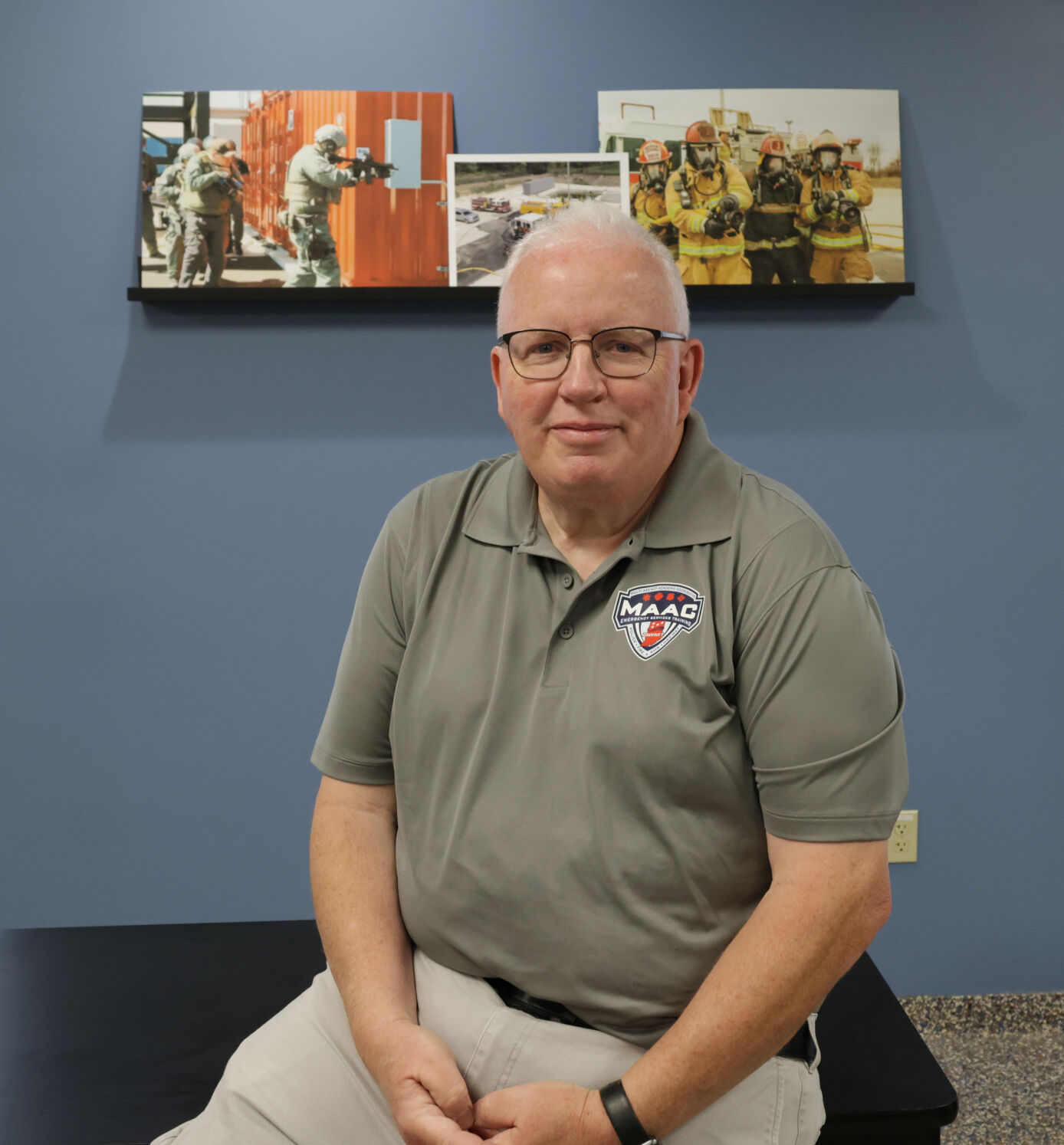
These situations require specialized training to help firefighters, paramedics and police officers better communicate with the parties involved and work with everyone to resolve matters safely and sensitively. The MAAC Foundation in Valparaiso has recognized this need and has partnered with two local organizations to incorporate working with disabled individuals into its vital training for emergency services personnel.
“At the MAAC Foundation, we recognize the importance of equipping our first responders with the knowledge and skills needed to effectively and compassionately interact with individuals of all abilities,” says MAAC President and CEO Celina Weatherwax. “By fostering a deeper understanding of our diverse communities, we are helping to build a more inclusive and responsive emergency service network.”
People are also reading…
Attuned to autism
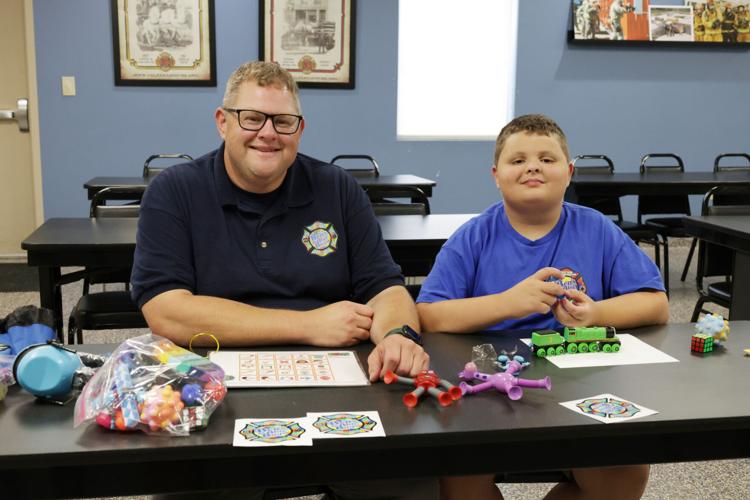
One of the programs the MAAC works closely with is Ben’s Blue Bags, which strives to educate first responders on methods of working with autistic and disabled patients in emergencies.
Founded in 2019 by veteran Crown Point firefighter and paramedic Matt Kodicek, whose 10-year-old son, Ben, is level two on the autism spectrum, the Ben’s Blue Bag program starts with a presentation that teaches first responders the basics of autism spectrum disorder through updated statistics, demonstrations and role-playing. Here, Kodicek and his team share some of the eye-opening facts about the dangers facing individuals with autism relating to real-life emergency calls to illustrate things such as how drowning is the leading cause of death in children with autism and how elopement (wandering or bolting from safe settings) is extremely common.
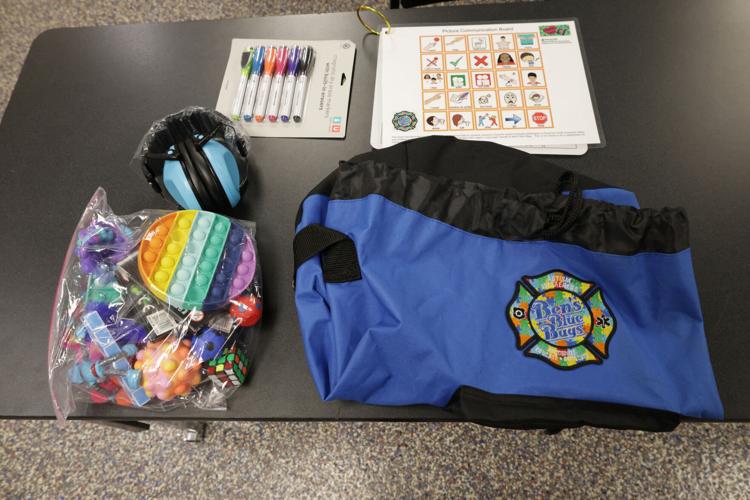
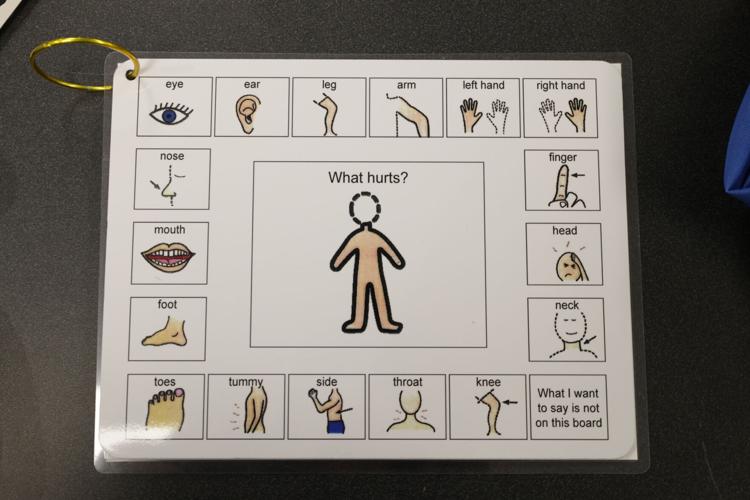
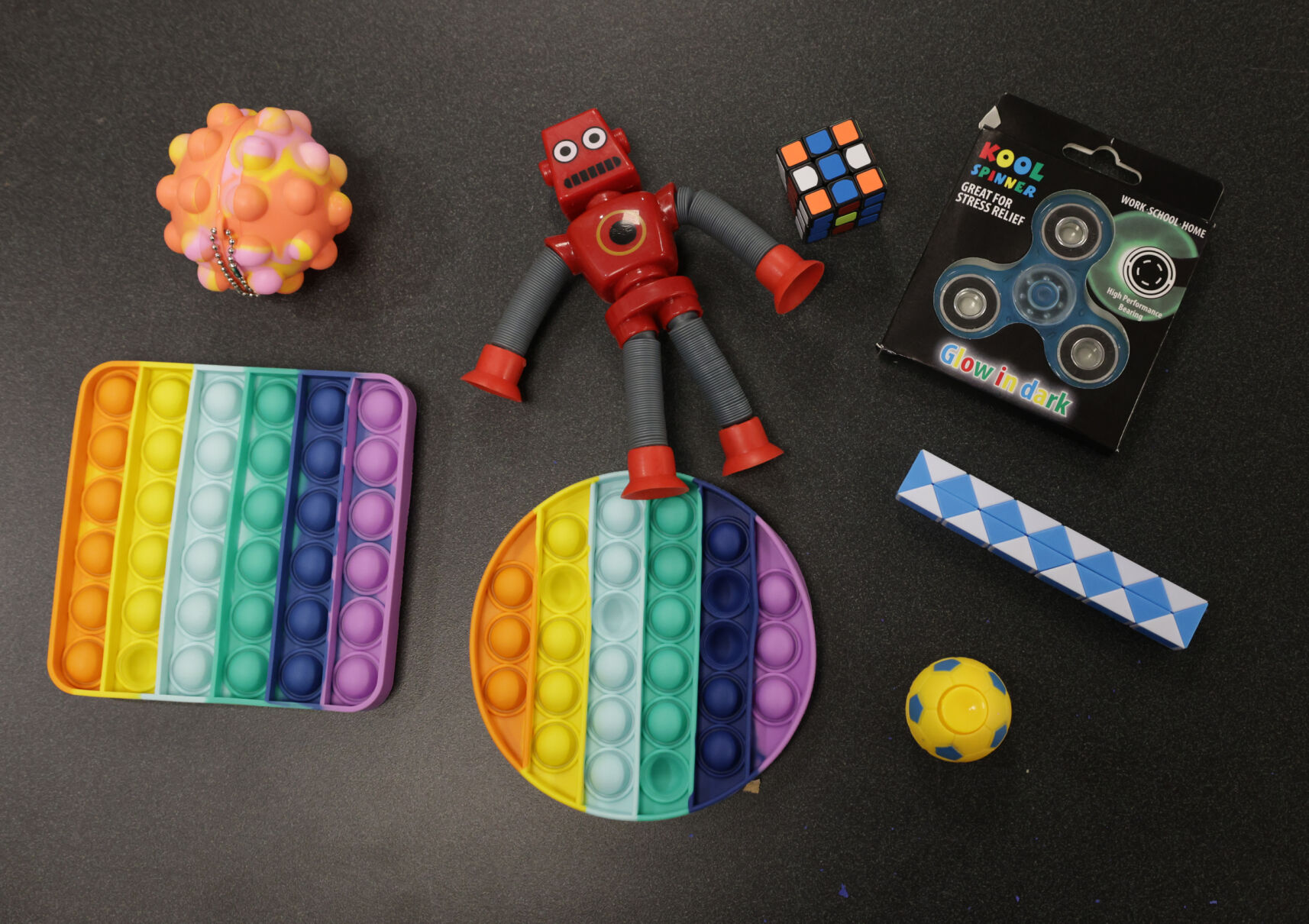
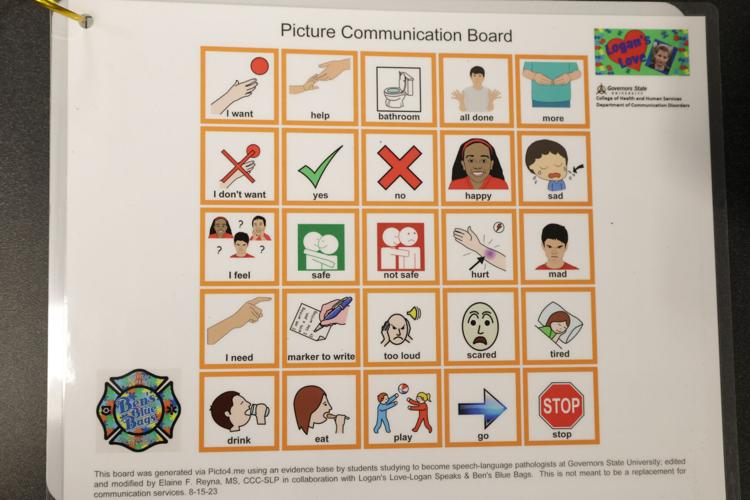
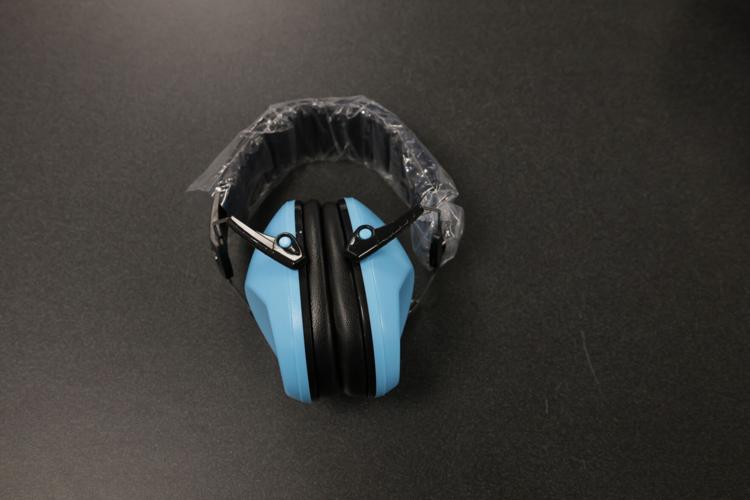
In the second part of the program, participants are given a Ben’s Blue Bag, which contains sensory items including a dry-erase board, a pictogram, markers, squeeze balls, rubber worms, marble mesh, a Rubik’s cube, a bendy bracelet and earmuffs that they can use on calls to help autistic children and adults or any person who is having trouble communicating or calming down.
“From my observations, it's clear that the responders, regardless of their age, experience or field derive a sense of empowerment from the hands-on experience with the sensory items in the bag,” Kodicek says. “They leave with a newfound understanding and strategies on how to effectively handle situations involving individuals with cognitive disabilities, enhancing their confidence and capabilities as rescuers.”
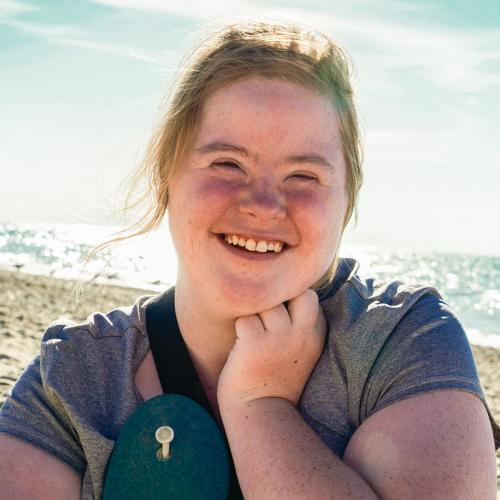
Paramedic Tom Felter created The Emily Talk, named for his daughter who has Down syndrome, to help first responders interact with disabled people in emergencies. The program is promoted by the MAAC Foundation.
Demystifying Down syndrome
Another program the MAAC promotes and incorporates into its courses is The Emily Talk, first presented in 2015 at Northwest Health – Porter and now a widespread program that works to help first responders (and others) more effectively relate to individuals with Down syndrome and other disabilities.
Drawing from his professional experience as an EMT/paramedic and his personal experience as the father of a daughter with Down syndrome, The Emily Talk founder Tom Felter notes that interactions with anybody with a disability can be challenging — for that person and the first responder. And particularly during an emergency, those strained interactions can cause anxiety for everyone involved.
“Because of the two hats I wear as a first responder and the father of a disabled child, it seemed appropriate to develop a presentation that would help first responders see things from both perspectives,” Felter says of the impetus of the program. “Although The Emily Talk was initially geared strictly toward first responders (still a key target audience), we have adapted the presentation as needed in order to present to other groups, including school staff, students, hospital staff and the broader community.”
During The Emily Talk, Felter and his team note that emergency situations, or even just chance encounters, can be anxiety-inducing for individuals with disabilities. Likewise, these interactions can be anxiety-inducing for a first responder with limited exposure to people with disabilities. And while first responders are inclined to move fast, the key takeaway from The Emily Talk is the importance of slowing down and practicing patience to bring everyone involved to place of ease and better understanding.
“There are times when first responders must slow down, slow down, slow down,” Felter says. “Taking the time to listen to Emily, or anyone else with a disability, and explain things to her and allow her time to absorb is the key to success.”
For more information on these programs, visit facebook.com/bensbluebags and theemilytalk.com.


