


Connect with all the Get Healthy Content

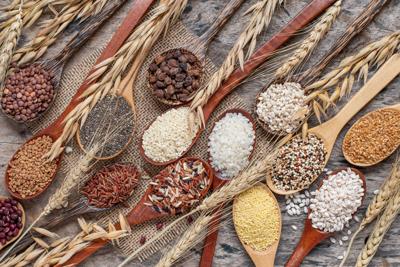
Everything old is new again! Ancient grains like amaranth, farro, rye and millet are having a moment as more people realize that they taste great and offer some health benefits.
What are ancient grains?
As their name suggests, ancient grains are natural agricultural grains that have been around for hundreds — sometimes even thousands — of years and haven’t really changed much in the way they’re grown and harvested over time. Although their popularity is surging in America, ancient grains have never really fallen out of favor in Africa, India, China, the Middle East and other parts of the world that have long viewed them as affordable dietary staples.
People are also reading…
Oats, chia seeds, quinoa, wild rice and barley are just a few examples of ancient grains that have become fairly mainstream in recent years, but there are plenty of others with names you may not recognize. Freekeh, spelt, teff, kamut — the list is wide and varied, providing plenty of tasty variety for adventurous eaters to explore. Plus, ancient grains are now widely available at grocery stores and markets. Some ancient grains aren’t actually grains at all; they’re seeds and pseudocereals that can be treated, cooked and eaten like grains.
Trying ancient grains on for size
If you’re considering trying out a vegetarian or vegan diet, ancient grains are great building blocks to construct a meat-free meal. Think of them as a pasta or rice replacement, then simply add vegetables, mushrooms, sauces, cheese, beans, nuts or seeds and dinner is ready. (Just be aware, ancient whole grains may take longer to cook than more processed items.)
It's easy to experiment with ancient grains in your everyday eating plan. Start with the more familiar by letting the kids load up jars of overnight oats with fruit, coconut and chocolate chips for a breakfast treat the next morning. Or play around with chia seeds as a pudding, a smoothie ingredient or frozen yogurt topping. Barley works well in soups and stews, and it’s fun to build a colorful grain bowl around a base of quinoa or bulgur wheat. Who knows? You might just discover a new family favorite dish.
Older and wiser
Because they’re usually less processed than white flour, pastas, many breakfast cereals and other refined grains, ancient counterparts are likely to be higher in fiber and retain more vitamins, minerals and healthy nutrients. Some are a great source of protein as well, but not all are gluten-free. Read the nutritional labels carefully before making a purchase.
The American Heart Association recommends opting for whole grains — which can include ancient grains — instead of refined grains in your daily diet as part of a bigger effort to lower cholesterol and reduce your risks of heart disease, stroke, diabetes and other health conditions.
Another point to think about if you’re trying to eat in a more thoughtful way: Ancient grains are usually sustainable, organic and grown without a lot of pesticides.
So, try a new ancient grain on your next shopping trip, and you’ll boost your family’s nutrition at the same time.