




It’s that time of year when health-care experts are urging everyone to get vaccinated as the flu and COVID season approaches, highlighting a different set of guidelines for this fall and winter.
"I believe 100% that everyone should get the flu vaccination," said Katherine Johnston, director of nursing at HealthLinc, a network of 18 federally qualified health centers in Northwest Indiana. "I get it. My entire family gets it. I encourage the entire HealthLinc organization to get it.”
Johnston adds that vaccinations protect more than the individual, noting the increase in illness as vaccination rates decline, a pattern evident in ongoing measles outbreaks.
”A healthy adult may get the flu and have awful symptoms, but is likely to survive it," she said. “But someone who is immunocompromised, elderly or very young is much more likely to have life-threatening complications."
People are also reading…
With less stringent vaccination recommendations from the Centers for Disease Control and Prevention since August 2025, Johnston follows the American Academy of Pediatrics recommendations that she considers more closely tied to current scientific evidence.
The Mayo Clinic, which also follows the guidelines from the American Academy of Pediatrics and other medical organizations, suggests that everyone 6 months and older get an annual flu shot.
Dr. Ijaz Ahmad, an internal medicine physician at NorthShore Health Centers, recommends getting the flu shot in September or October to ensure it provides coverage through the March season. But, he adds, the shot is beneficial at any time during the season.
The flu and COVID shots are annual to account for changes in the virus.
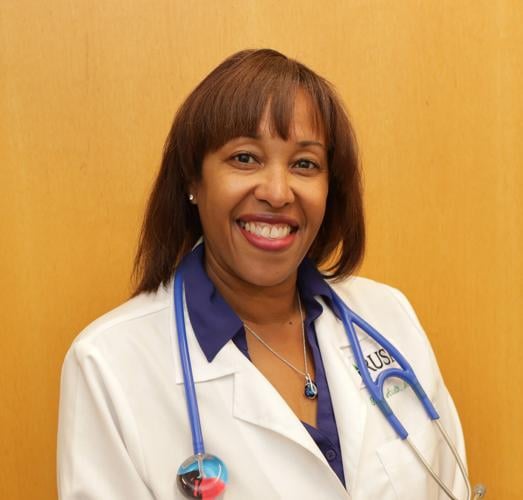
"Viruses, such as flu and COVID-19, have many strains or variations," said Dr. Tonja Austin, a Rush University Medical Center primary care physician and assistant professor of preventive and family medicine.
"Each cold and flu season, the strains that make the greatest number of people ill vary or change. Consequently, a new flu and COVID-19 vaccine is developed each year,” Austin said.
Johnston added that people who feel they don’t need the vaccine because they "never get the flu" are often protected by those around them who are vaccinated.
COVID-19 risk increases simply from being in contact with other people, Johnston said, noting that “being in a classroom increases the risk of getting COVID-19.”
Infants and children ages 6-23 months are recommended to receive the COVID-19 vaccine regardless of risk factors, based on evidence that this age group has hospitalization and death rates comparable to or higher than adults in their 60s and 70s, according to the academy of pediatrics.
The academy recommends that children age 2-18 get a single, age-appropriate COVID-19 vaccination dose. The same goes for adults 19 and older. Those 65 and older are advised to get two doses six months apart, under pediatrics academy and American Academy of Family Physicians recommendations.
"The vaccinations can be given at the same time," Austin said, noting protection takes about two weeks to develop and remains strong for roughly four months, waning at six months.
Ahmad added that the CDC also recommends giving flu, COVID-19 and RSV vaccines to pregnant women together when possible.
Johnston said the respiratory syncytial virus (RSV) vaccination in women passes protective antibodies to the fetus. "Newborns going into their first RSV season are recommended to receive the vaccination," Johnston said, adding that premature babies or those with lung or oxygen issues may need a second dose. RSV vaccination isn't recommended for healthy adults younger 50 but is advised for those with health conditions and adults 75 and older.
According to the CDC, 2026–27 COVID-19 shots and vaccines targeting current variants of Influenza A H1N1, Influenza A H3N2 and Influenza B are now widely available at federally qualified health centers including HealthLinc, major retail pharmacies such as Walgreens and CVS, physicians' offices and county health departments.


