


Health coach Carol Slager describes her rituals to explain the benefits of developing such routines.
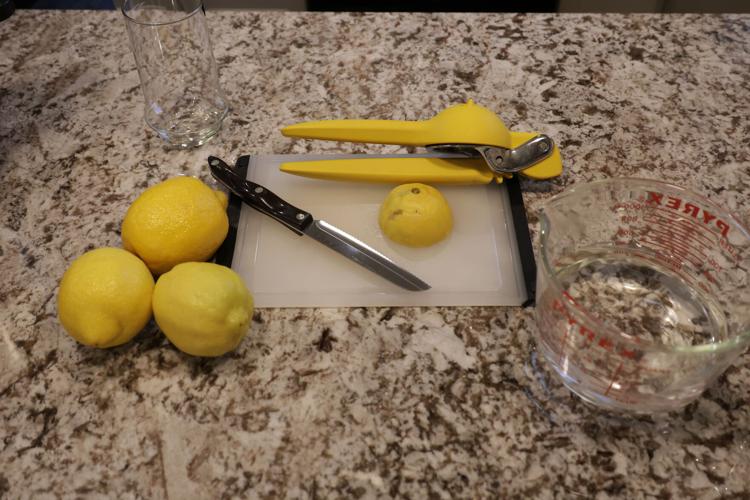
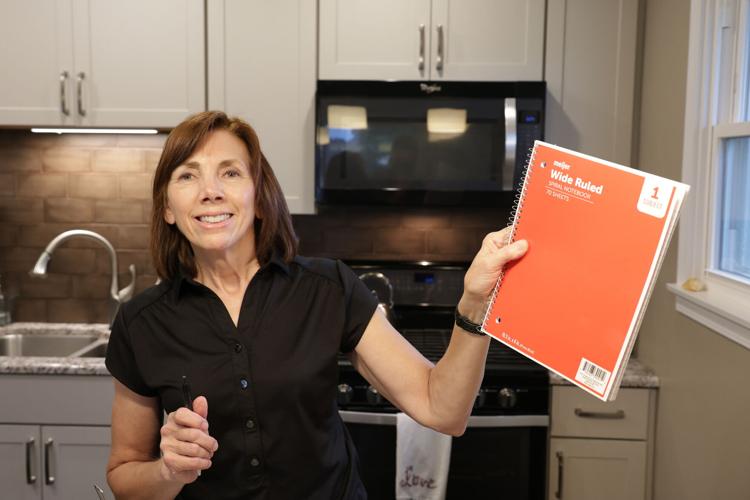
Every morning when I first wake up, I head to the kitchen. I measure two cups of filtered, room temperature water and the juice of half a fresh lemon into my glass. I then trot down the hallway to my desk, take out my wide-ruled spiral notebook, favorite pen and handwrite three imperfect pages of whatever is swirling around in my head.
(The “Morning Pages” phenomenon is credited to creativity guru and author Julia Cameron.) Writing the pages helps me organize my thoughts and clear out the cobwebs. This, along with enjoying my lemon water, is my morning ritual.
While the “Morning Pages” may not happen every morning, my day flows better and I tend to be more productive when it does. Turns out this is not by chance.
A ritual, not a habit
We tend to use ritual interchangeably with habit, but they're not quite the same thing. A habit is something we do automatically without giving it much thought. For instance, locking the car before leaving the parking lot, brushing our teeth after meals, hitting the snooze button at least once when the alarm goes off. Habits are efficient precisely because they don't require our attention.
People are also reading…
A ritual is intentional. It's a behavior we've layered with meaning, however small or personal it might be. The same action, done with awareness, becomes something else entirely.
What research shows
Behavioral scientists, including researchers at the Harvard Business School, have found that personal rituals, even simple self-invented ones, measurably reduce anxiety and improve focus and performance. Not elaborate ceremonies. Not anything that requires a special setting or lots of time. Just a repeated, intentional sequence of actions you’ve created.
Rituals seem to work by helping us wherever we need it most. When experiencing loss, rituals enhance feelings of control, which reduces grief, according to Harvard Business Prof. Michael I. Norton, writing in Harvard Business School Alumni Stories, November 2019. In other contexts rituals increase belonging, trust and commitment. Think about a handshake when a business deal is complete or a special meal that your family enjoys every Christmas, Norton notes, referring to them as “the ritual effect,” the title of his book.
Effect of rituals as we age
Life in later years is often less structured than it used to be. Kids leave. Roles shift. Retirement changes everything. The routines that once organized our time and filled our days are gone. No more after-school pickups or office hours. As the rhythms of raising a family quietly vanish, our sense of identity and purpose can go with them.
This is where ritual quietly does its work. Not by filling the schedule, but by anchoring it. When something intentional and meaningful happens every day, it signals to the brain that you are solid. And according to researchers at Harvard, that daily sense of meaning shows up in our physical and psychological well-being in ways we can measure.
What are your rituals?
You probably have a ritual. You just might not call it that. The evening walk after dinner. Grace before meals. Sunday meal prep with the same playlist. A weekly phone call with a friend that always ends too late. A prayer before bed. Morning coffee in your favorite mug.
None of these require anything extraordinary. The power isn't in the ritual's complexity but in the consistency and the intention behind it.
If you don't have a ritual you love, consider building one. Keep it small. Keep it pleasurable. Repeat it daily, at the same time, if possible. Own it. You may have several rituals scattered throughout your day and may choose to be even more committed to them.
The lemon water. The notebook. The favorite pen. The 20 or so minutes of quiet before the day begins. Turns out those small things are doing something quite significant, one page, one morning, one intention at a time.
Carol Slager is a licensed pharmacist, author, blogger and health coach in Northwest Indiana. Follow her monthly in Get Healthy and at inkwellcoaching.com. Opinions expressed are the writer's.


