


Sunglasses are not just a chic fashion statement, They are your ultimate shield, safeguarding your eyes and ensuring crystal-clear vision in any adventure.
“Sunglasses protect the eyes by blocking harmful ultraviolet radiation from the sun,” said Dr. Jeni Kohn, an optometrist with Moses Eyecare Centers. “There are two main types — UVA and UVB — and both can damage the eyes over time.
“Good sunglasses reduce the risk of conditions such as cataracts and macular degeneration,” said Kohn, who is president-elect of the Indiana Optometric Association and is chief operations officer at Moses Eyecare.
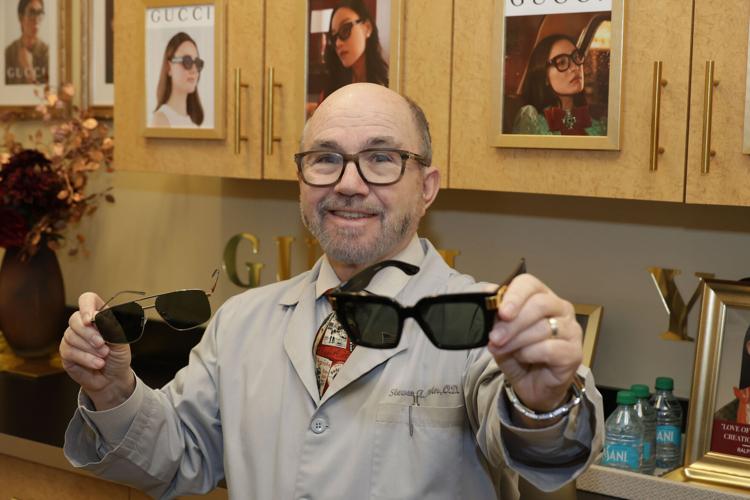
“Sunglasses should be worn outdoors, even on cloudy days, since up to 80% of UV rays can penetrate cloud cover,” said Dr. Steven A. Levin, a board-certified optometrist with Levin Eye Care Center in Whiting.
People are also reading…
“Sunglasses do far more than reduce brightness,” said Levin, who specializes in vision perception, pediatric eye care, vision therapy and traumatic brain injury complications. “They play a critical role in protecting long-term eye health while improving visual comfort and clarity outdoors."
Both note that 100% UV protection is important when selecting sunglasses.
“When selecting sunglasses, UV protection is more important than lens color or darkness,” said Levin. “Look for lenses labeled 100% UVA and UVB protection or UV400, which blocks harmful wavelengths up to 400 nanometers regardless of tint.”
While regular sunglasses can effectively block harmful UV rays, polarized lenses reduce glare, enhance clarity and minimize eye strain for a more comfortable experience.
“Polarized lenses are a great bonus because they cut down on glare, but they don’t replace UV protection — so don't be fooled,” said Kohn. “Larger frames or wraparound styles can also help by blocking light from the sides and helping the delicate tissue around the eyes.”
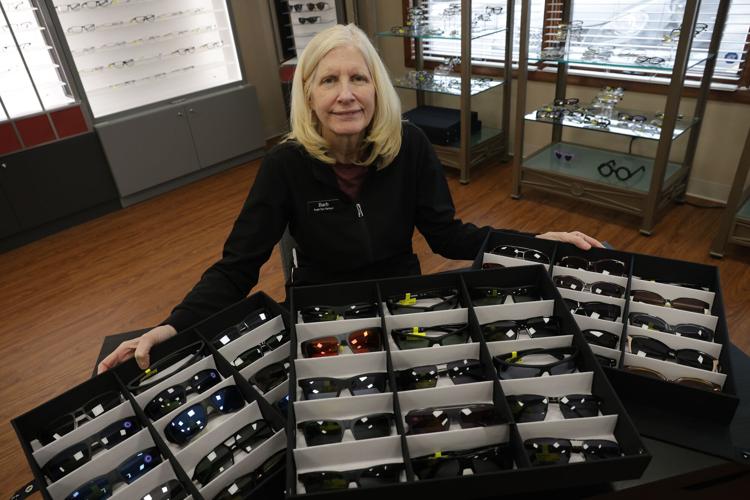
Barb Gorzycki, an optician at Eagle Eye Optique in Crown Point, stressed the importance of wearing sunglasses with UV protection and polarization. These lenses protect all parts of the eye, including the retina, lens, cornea and surrounding skin, which helps prevent skin cancer, premature aging and wrinkles caused by squinting.
“Eye protection is crucial near reflective surfaces and during peak UV exposure (10 a.m.-4 p.m.), especially at higher altitudes,” said Levin.
According to Gorzycki, some brands of sunglasses, such as Maui Jim, use advanced polarized lens technology with anti-reflective coatings on both sides of the lens to enhance visual clarity and reduce eye strain.
Polarized lenses also improve contrast, lessen light sensitivity and make colors more vivid as well as reducing eye strain, discomfort, fatigue and headaches. Levin says this results in relaxed, comfortable vision and protects the eyes from long-term damage.
Gorzycki added that for those who've had eye surgery, such as cataract removal, polarized sunglasses offer extra protection and help manage light sensitivity during recovery.
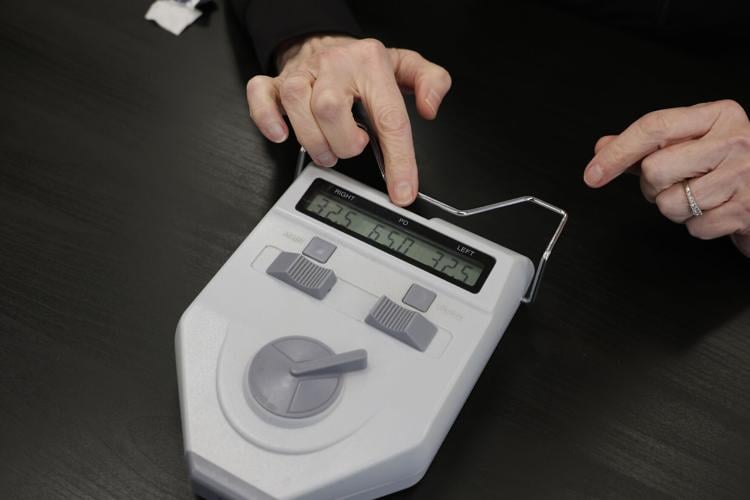
Fit also is important. Gorzycki pointed out that your eyes should be right in the middle of the lenses.
“A good pair of sunglasses should feel comfortable and stay in place without slipping,” said Kohn. “They should sit close to your face and fully cover your eyes. The more comfortable they are to wear, the more likely you are to wear them.”
Kohn and Gorzycki said there is no specific schedule for replacing your sunglasses. However, if your lenses are scratched or your frames are bent or loose, it’s time for new ones, they said. Scratches can cause more glare and make your vision less clear.


