


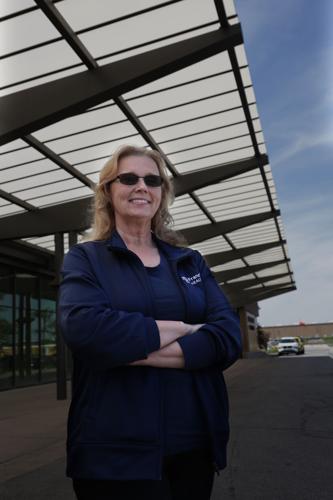
Lori Postma, a firefighter, RN and manager of emergency preparednessat Franciscan Health, discusses the difference between a severe weather watch and warning and how to find safe places at these times.
Firefighter Lori Postma was storm spotting when conditions suddenly turned dangerous in March.
“We don’t have as much of the warning time as people do in a town or city,” she said of why she and her fellow Lake Township Fire Department firefighters were monitoring conditions in Newton County. “A tornado came up the road right by us. We went south, and when we came back, it was devastation.”
The National Weather Service later confirmed that an EF3 tornado hit Lake Village. The storm, which carried winds up to 150 mph, killed two and damaged nearly 100 residences.
Postma, a registered nurse who also is manager of emergency preparedness with Franciscan Health Dyer and Munster, says the warning and preparation likely helped save lives that day.
“I think we would have had many more injuries or deaths if we hadn’t been so proactive ahead of time,” she said. “People heeded the warnings, and several people left to avoid the storm coming. We saw several houses damaged significantly, and residents may have been in those houses if they had not taken the initiative to get out.”
People are also reading…
From spring tornadoes to summer floods, early fall snowstorms and winter freezes, Northwest Indiana faces a wide range of dangerous and rapidly changing weather conditions that also pose varying health threats.
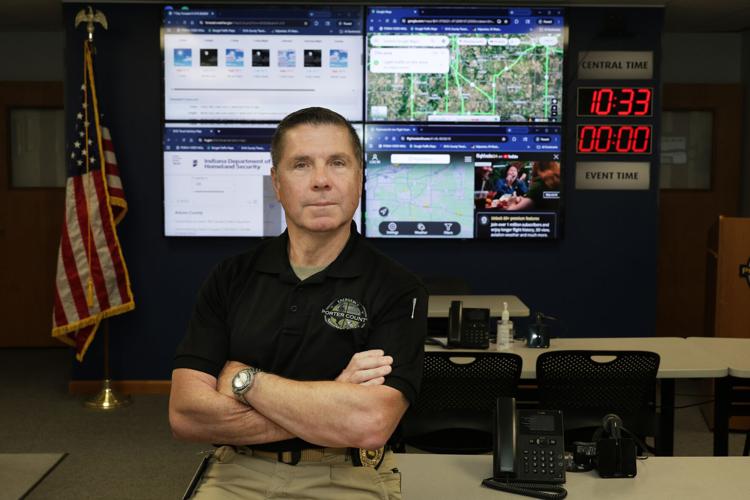
Lance Bella, director of Porter County’s Emergency Management Agency, talks about the agency's planning, response and recoery assistance after an emergency.
“Severe weather events often cause injuries from debris, falls, vehicle accidents, exposure and improper generator or cleanup practices,” said Lance Bella, director of Porter County’s Emergency Management Agency. “The most common injuries vary somewhat depending on the type of disaster, but several patterns occur repeatedly."
“In a large disaster, emergency services will most likely be overwhelmed and may not be able to get to you immediately,” Bella added. “Citizens need to be prepared to care for themselves until emergency services can get to them.”
This requires communication and preparedness, says Michael Wysocki, director of Crown Point Emergency Management Agency.
“This most recent tornado reinforced that our area is not immune to tornadoes,” he said. “Although our community was not directly impacted by this particular storm, it served as an important reminder that large-scale events affect entire regions, not just individual cities.”
So what can Northwest Indiana residents do to make sure they’re prepared no matter the time of year?
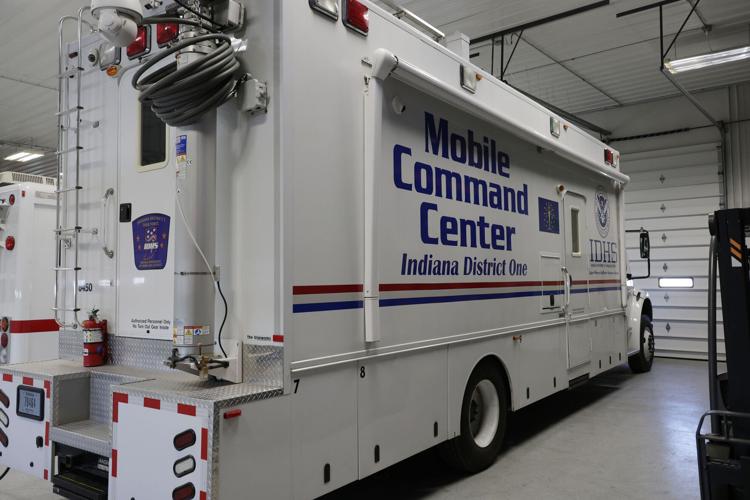
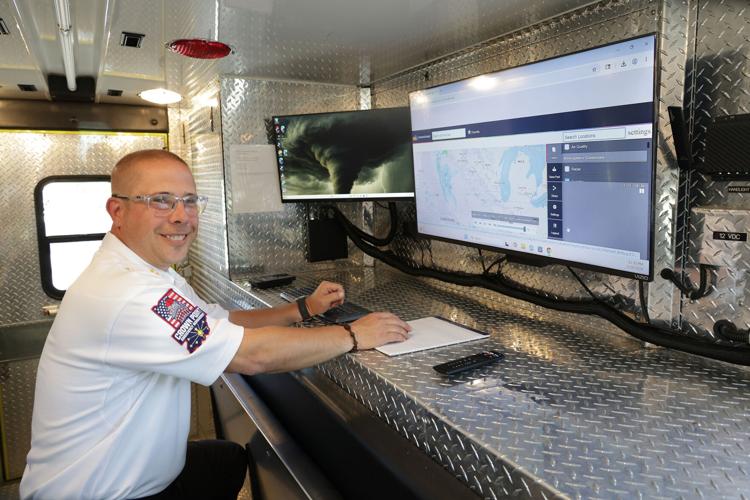
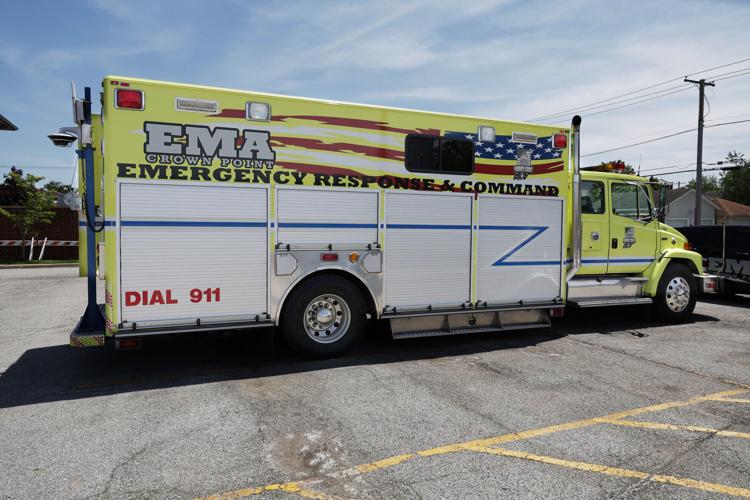
Michael Wysocki, director of Crown Point Emergency Management Agency, offers a tour of the city's emergency response and command unit..
“Today’s weather forecasting capabilities often provide advance notice, giving families valuable time to prepare for severe storms and mitigate potential impacts," Wysocki said. "Taking advantage of that lead time can significantly improve safety outcomes.”
Before a weather event
Preparation can reduce the risk of injury and improve health outcomes when any emergency strikes.
Emergency kits should include essentials such as bottled water, nonperishable food, flashlights, extra batteries, a battery-powered or hand-crank radio, phone chargers or backup power sources and a well-stocked first-aid kit, Wysocki says.
“It’s also important for individuals to keep at least a three-day supply of necessary medications on hand, along with copies of important medical information and prescriptions if possible,” he said.
When gathering important documents such as birth certificates and insurance cards, put them in large zippered plastic bags, Postma said.
“You can still keep these in your filing cabinet, but if they get wet, these important documents stay dry,” she said.
Before thunderstorms that could produce severe weather, keep a pair of shoes and clothing that can be accessed quickly nearby, Postma said. Ensure carbon monoxide and smoke detectors are working, as well.
In the winter, Bella says keep vehicles serviced and ready and add go-bags with supplies including hand warmers, blankets and non-perishable snacks in case someone is stranded.
“The bag should be accessible from the inside of the car,” he said.
Postma advises families to pack a sled in a car’s trunk during the winter.
“If you’ve ever tried to walk your toddler through tall snow, it’s terrible,” she said. “Even if it’s a roll-up sled that doesn’t take a lot of room, it can be important to have in your car in case you have to walk.”
It’s also important to know your individual risks, Postma says.
Diabetics can be susceptible to conditions such as frostbite, while asthmatics and patients with congestive heart failure may struggle more from heat, she said.
“Without the proper health, you can put yourself in danger just by being in these environments,” she said.
During a weather event
When there's a tornado warning, don't go outside and look up, Bella says.
“When the sirens go off, they need to seek shelter,” he said. “Going outside puts them in danger.”
Some of the most common injuries in the Region in severe weather involve blunt-force trauma from flying debris, falling trees or structural collapses, Wysocki says.
“We also see injuries related to people becoming trapped under debris,” he said.
Prolonged periods of dangerous heat and cold can be just as deadly. A Yale School of Public Health study found that deaths linked to heat exposure have risen more than 50% in the last 20 years. Deaths related to the cold also rose 7%.
“If people lose power, they can go to a warming or cooling center in their area,” Bella said. “Each municipality maintains one or more areas they designate for these types of events.”
Draw from multiple sources of information, Wysocki says.
“Families should use a combination of alerts, such as mobile phone notifications, television broadcasts, radio and a NOAA weather radio with battery backup, to stay informed and respond promptly to changing conditions,” he said.
After a weather event
One of the biggest health and safety risks people often overlook after severe weather events is downed power lines, Wysocki said.
“Clean-up and recovery efforts can lead to injuries from chainsaws, unstable structures, downed power lines, slips and falls or carbon monoxide poisoning from improper generator use,” he added. “In emergency management, we emphasize safety risks do not end when the storm moves out. Recovery can be just as dangerous if people are not careful.”
Overexertion from physically demanding recovery efforts — whether clearing debris or shoveling snow — can cause cardiac events, Wysocki said.
Bella says it’s important to never use generators or grills inside a home or garage during a power outage.
“They should be used outside and in well-ventilated areas, where carbon monoxide will not find its way into the home.”
Flooding can occur during severe weather and continue for days afterward as well.
“Flooding and severe storms can contaminate drinking water supplies very quickly,” Bella said. “Floodwater often contains sewage, chemicals, fuel, bacteria and debris that can cause serious illness.”
Safe sources include bottled water and properly disinfected water by bringing it to a boil for at least one minute, Bella said.
Mold is also a major concern after flooding, Wysocki said.
“Mold can begin to develop within 24 to 48 hours when surfaces remain wet,” he said. “It’s important those impacted by severe weather not only get themselves checked out, but ensure their home is inspected to avoid lingering illness or injury.”
Then, there's food spoilage after power outages. Throw away food if it smells bad, feels warm, has unusual texture or color or has been above 40 degrees Fahrenheit for more than two hours, Bella said. A freezer will keep food frozen for about 48 hours if full, 24 if half full.
“When in doubt, throw it out,” Wysocki said.
After a severe event, stay off the roads and shelter in place if advised by local emergency officials, Wysocki said.
“Heeding these instructions can help prevent injuries and allow emergency responders to do their jobs more effectively,” he said. “Overall, we want our community to be as prepared as possible when facing severe weather, so they have the best chance to stay safe.”


