


Health coach Carol Slager shows how to add some nutritional bounce with cranberries.
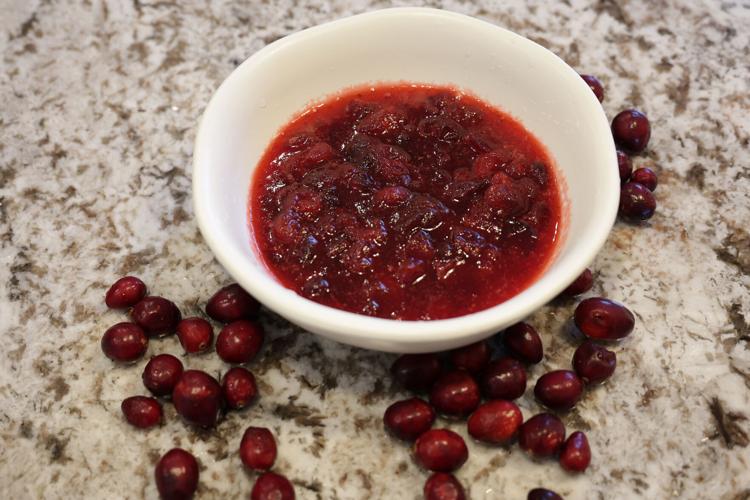
Every Thanksgiving, there is the family disagreement over the beloved cranberry. I like fresh cranberries, cooked with water and a bit of sugar until they make that pleasing popping sound, then allowed to set in the fridge. The sauce is served in a special crystal bowl that has been in the family and part of my cranberry tradition since I was a youngster. It’s a beautiful presentation that adds a spark of color to the table.
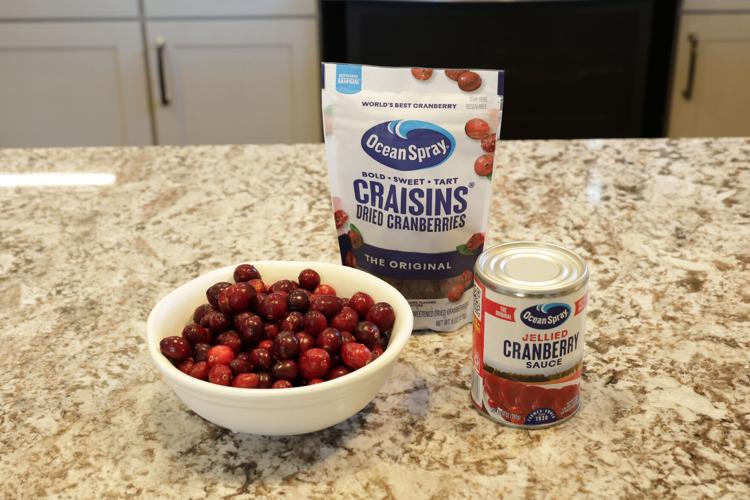
Then, there is another tradition within my immediate family. The acceptable norm in his mind is jellied cranberry sauce delivered straight from the can. It’s tricky to present it in a fashion that does not highlight the ridges. How does one plate that cranberry product so that it looks … appealing? It’s a disgrace to the rest of the table.
Whatever side you take with this topic, cranberries didn’t become a popular staple of Thanksgiving until the mid-1700s. In 1796, Amelia Simmons published “American Cookery,” the first cookbook written by an American, and it paired roast turkey with cranberry sauce. It was an early sign of a partnership that would last centuries.
People are also reading…
Cranberries bring more to the table than color. They’re a good source of vitamin C and fiber, and they’re rich in antioxidants. Eaten raw, they can be a healthy addition to your diet.
However, a quarter cup of regular sweetened dried cranberries can carry nearly as much sugar as a glass of cranberry juice cocktail. This does not mean that dried cranberries are off limits. It simply means that it’s a good idea to read labels and look at your total sugar intake for the day.
There are several ways to enjoy the taste without experiencing sugar overload. Add a bit of cranberry juice to your sparkling water. Sprinkle a few dried cranberries in your plain Greek yogurt or oatmeal, instead of sugar. Add them to your homemade trail mix instead of candy. They’re delicious and festive in a tossed green salad.
In case you’re wondering, cranberries are not a treatment for urinary tract infections and sweetened cranberry drinks offer little benefit. Whole berries or unsweetened juice, enjoyed regularly, may help with prevention. If you have symptoms, check in with your doctor.
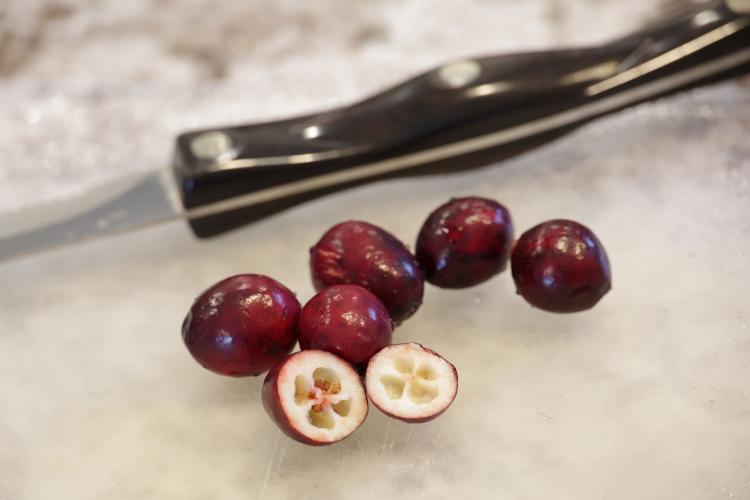
Now for some fun. Did you know that you can bounce cranberries? Try dropping one. A firm, fresh berry will bounce, thanks to four little air pockets inside. (The air pockets are the reason they float, then pop, when cooked.)
We owe this test to John “Peg Leg” Webb, a New Jersey grower in the 1800s who found it easier to roll his crop down the barn stairs rather than carry it. He noticed the good berries bounced and the spoiled ones stopped. Growers built machines around his discovery and bounce boards still sort cranberries today. The bouncers go to market fresh, and the rest are used for juices and sauces. At home, look for berries that are firm, glossy and deep red.
Store cranberries in their original, unopened package in the crisper drawer of your fridge to keep them fresh. Wait to wash them until just before cooking or eating them. They’ll last three to four weeks. To enjoy all year, freeze them. Rinse and dry the berries completely, remove any non-bouncers (i.e. any that are spoiled or shriveled), spread them on a baking sheet in a single layer and freeze for two to eight hours. Move them to a freezer bag then label and date. They’ll keep for up to a year. There’s no need to thaw them before cooking or baking. Just toss them in frozen.
So, how did that can-shaped cranberry jelly come into existence? Marcus Urann, a cranberry farmer in Hanson, Mass., first canned his berries in 1912. He later helped found the Ocean Spray cooperative, and by 1941 jellied cranberry sauce had reached grocery shelves nationwide. Its popularity hasn't faded. Ocean Spray sells around 70 million cans a year, mostly for the holidays, compared to about 20 million bags of fresh berries. This year, I'm inviting you to grab a bag of the fresh ones. Give them a bounce before you cook. I think you'll enjoy the result.
Carol Slager is a licensed pharmacist, author, blogger and health coach in Northwest Indiana. Follow her monthly in Get Healthy and at inkwellcoaching.com. Opinions expressed are the writer's.


