


Almost overnight, or so it seems, our skin can make us appear … old.
One day it’s glowing and vibrant and the next, it’s dry, crepey, thin. Bruises and injuries are easier to come by. Healing takes longer. All the creams, oils and lotions don’t seem to make much of a difference in the long term.
While we can’t fight biology, or Mother Nature, there are things we can do to combat the effects of aging on skin.
What’s happening
Skin's youthful bounce comes down to collagen, the protein that gives skin its structure, and elastin, which lets it stretch and spring back. Both decline as we age, but the story is a little different for women and men.
For women, the big driver is estrogen. Once it declines after menopause, collagen follows fast, dropping by roughly 2% a year for about 15 years, according to “Managing Menopausal Skin Changes,” published in August 2025 on Wiley Online Library, a collection of scientific, medical, technical and scholarly publications. That's a steep hill in a short stretch.
People are also reading…
Men lose collagen, too, closer to 1% a year starting in their 30s, with testosterone supporting skin thickness longer and making the decline more gradual.
Either way, skin gets thinner, drier and heals more slowly. Your circulation to the skin's surface slows down, too, which is partly why cuts and bruises take longer to fade.
Supplement effectiveness
Collagen supplements may help support skin hydration and elasticity, but the evidence is mixed and benefits appear to be modest. Some studies have found improvements in skin elasticity and hydration after several weeks or months of using hydrolyzed collagen peptides, though newer research questions whether that benefit holds up in independent studies. For older adults, the research is also limited.
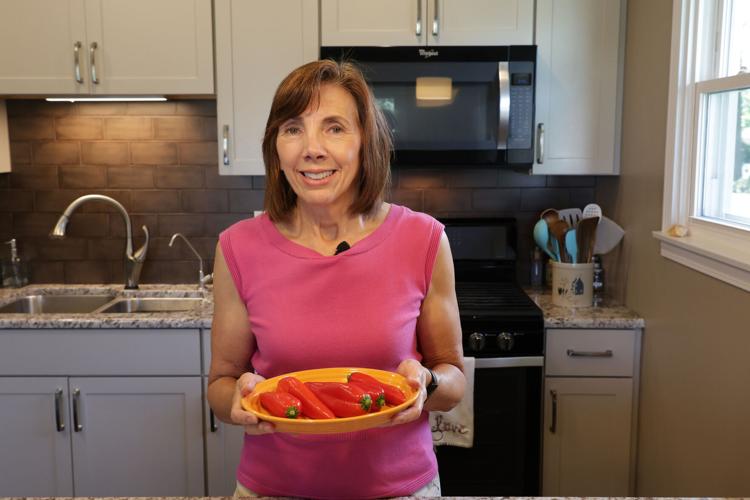
Health coach Carol Slager discusses skin health and the foods, hydration and moisturizer that build collagen to help maintain skin elasticity and support.
One Tufts Medical Center dermatologist summed it up well, saying collagen supplements aren't a proven fix for aging skin on their own, though they may be worth considering alongside other, better studied habits. If you choose to try a collagen supplement, think of it as an optional addition, not a magic fix. It should not replace lifestyle habits that have been shown to help build collagen as well as protect the collagen you already have.
Skin support
I grew up believing that laying out in the sun slathered with baby oil and iodine was a smart idea. Tanned skin, at that time, was thought to be a sign of health and beauty. Turns out we had much to learn.
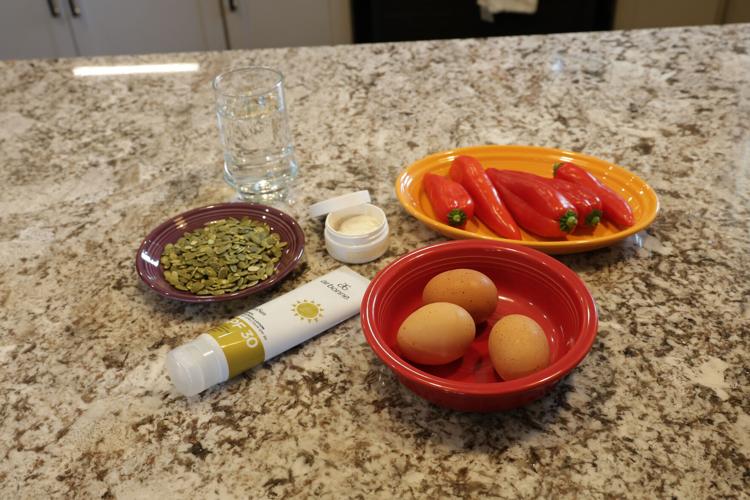
Sunscreen has replaced the baby-oil concoction. Protecting skin from UV rays is the single most important thing you can do to save it. Sun exposure breaks down collagen faster than our bodies can replace it, at any age. If you’re not a fan of sunscreen, choose clothing options with an Ultraviolet Protection Factor or UPF. The higher the UPF rating, the more you are protected from UV rays.
Inside story
Given the right nutrients, your body can boost collagen production. Vitamin C does more than fight free radicals. It's one of the raw materials your body uses to make collagen. Citrus, colorful bell peppers, kiwi, berries and leafy greens such as spinach, kale and Swiss chard are good sources.
Amino acids found in protein-rich foods are also necessary. A variety of beef, chicken, fish, beans, dairy and eggs offer protein. Zinc is another major player. Foods that boost it naturally include shellfish, pumpkin seeds, legumes, nuts, whole grains and meats.
Other tips
Skip the cigarettes and go easy on the alcohol. Both measurably speed collagen breakdown, no matter how many good habits you stack on top.
Exercise supports the circulation that carries oxygen and nutrients to your skin, feeding the cells responsible for repair and renewal.
Sleep matters more than we give it credit for. Your skin does its repair work while you rest and skimping on sleep shows up on your face before almost anywhere else.
And don't underestimate the power of drinking water. Studies show it genuinely helps skin hydration, especially if you're not drinking enough.
Maintaining healthy skin requires the same lifestyle habits that support the rest of your health, which is really the point. Your skin isn't a separate project from the rest of you. It's a reflection of how well the whole system is running.
Carol Slager is a licensed pharmacist, author, blogger and health coach in Northwest Indiana. Follow her monthly in Get Healthy and at inkwellcoaching.com. Opinions expressed are the writer's.


