

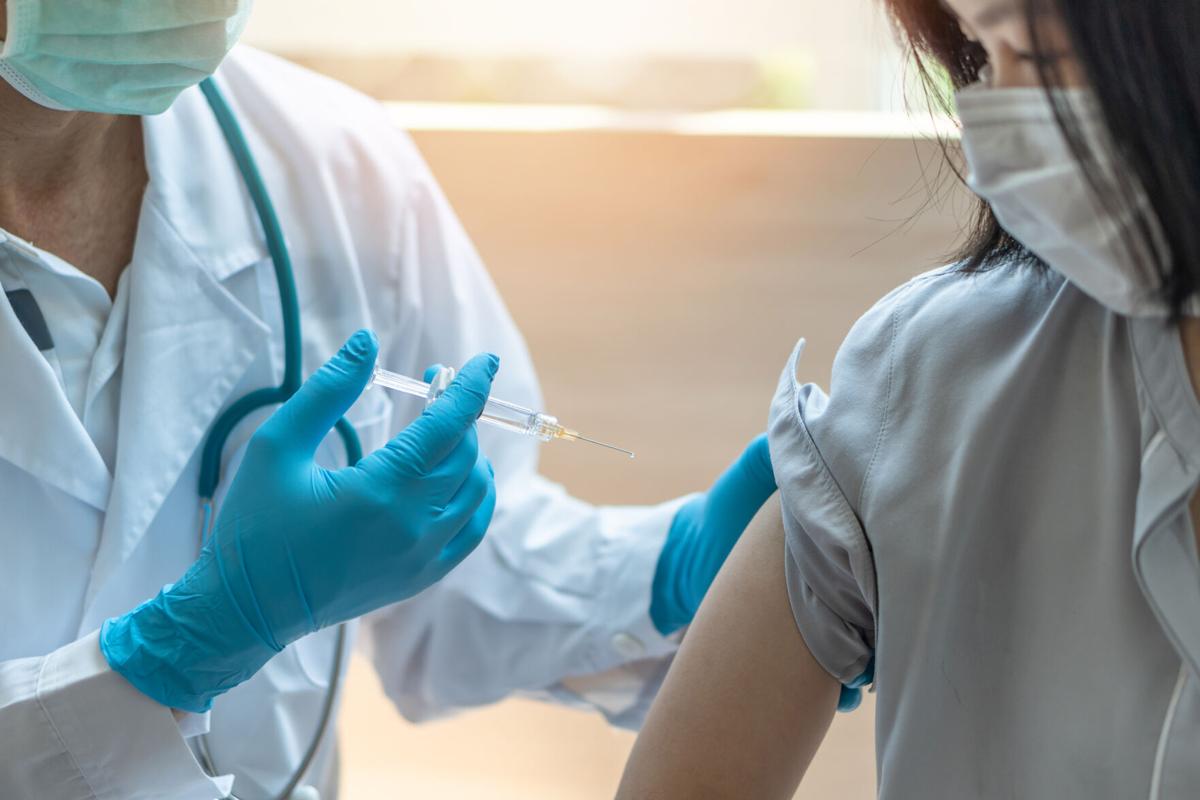
With another flu season fast approaching, the medical community has been abuzz with the news that the Food and Drug Administration's recently approved Moderna's mRNA influenza vaccine for older adults — pending an additional trial in the targeted age groups: 50-65 and 65 and older.
What does this mean for seniors heading to their doctor or pharmacy for the annual preventive rite? We checked in with infectious disease specialist Dr. Stephen Weber of UChicago Medicine for a quick mRNA primer. This conversation has been lightly edited for space and clarity.
Q. What is an mRNA flu vaccine? How does it differ from the flu shots people have received for years?
Dr. Stephen Weber: It’s a totally different way of making vaccines than what we’ve done in the past. Historically, making the flu vaccine has involved growing the flu virus in eggs, breaking down that virus, purifying it and then preparing it to be administered to humans. That’s a very long and drawn-out process. And from time to time, that process produces a vaccine that just isn’t as effective as we’d hope for due to adaptations that happen during the growth process.
People are also reading…
With the mRNA vaccine, we start out with exactly what we’re trying to do. We want to introduce a vaccine that has a specific target and sequence by actually using the genetic code of the flu. That is administered to the patient, and their human cell takes that RNA and makes protein, essentially building the vaccine in the cell itself. The immune system then produces a very, very strong response.
The difference is that these vaccines are more specifically targeted. They produce a stronger immune response, and we can make them safely but much more quickly. So much of the time spent developing traditional vaccines is waiting for the virus to grow — mRNA vaccines cut out that entire step. It’s all the same science, but the waiting game is eliminated.
How do you compare the efficacy and protection of the mRNA flu shot versus traditional flu vaccines? How meaningful is the improvement for seniors, who face the highest risk of severe flu complications?
Weber: The studies are comparing the mRNA vaccine against standard dosing of regular flu vaccines, and they’re seeing about a 20% to 30% improvement in effectiveness. If a regular vaccine has about a 50% effectiveness, for example, the mRNA is going to be at about 60% or 65%. That might sound like a small jump for an individual patient, but when we’re administering these vaccines to millions of older Americans, it starts to add up and make a big difference.
That said, so far there hasn’t been any direct comparison between the mRNA vaccine and the higher-dose flu shots that a lot of seniors have been choosing in recent years. Early lab results show that the mRNA does a little bit better than those high-dose options, but that hasn’t really been fully tested yet.
What still has to happen before Moderna's mRNA vaccine becomes available, and when might people realistically expect to receive it?
Weber: As much as people might get impatient with all of the bureaucracy that surrounds these reviews, we have to remember that it really is all about safety. The continued reviews are … a good thing – that’s something that we should all want as citizens and physicians.
Will it be ready for this flu season?
Weber: From a medicine and a production standpoint, we could be ready for this fall. (In a press release issued when it received FDA approval, Moderna said it expected the shot to be available in the fall.)
What do seniors need to know about the safety profile of this flu vaccine? How should they think about the risks and benefits?
Weber: Our current flu vaccines in the U.S. are exceptionally safe, and this will be another good option. One thing people will want to think about is that the mRNA vaccine produces a more potent immune response, so for some people that may translate into a little more of the lethargy or unwellness they feel when they get a vaccine. But those day-of inconveniences really pale in comparison to the longer-term negative effects of getting the flu, particularly for older patients.
Who would be the ideal candidate for the new shot? Should every senior consider switching to the mRNA vaccine or will the choice depend on a person's age, health conditions and vaccination history?
Weber: The biggest benefits will probably be for the people who need the flu vaccine the most, including older individuals and those who have serious health issues such as diabetes, heart disease or cancer. They’re going to be the folks we really want to see an advantage with, so we’ll point them toward this vaccine when it becomes available.