



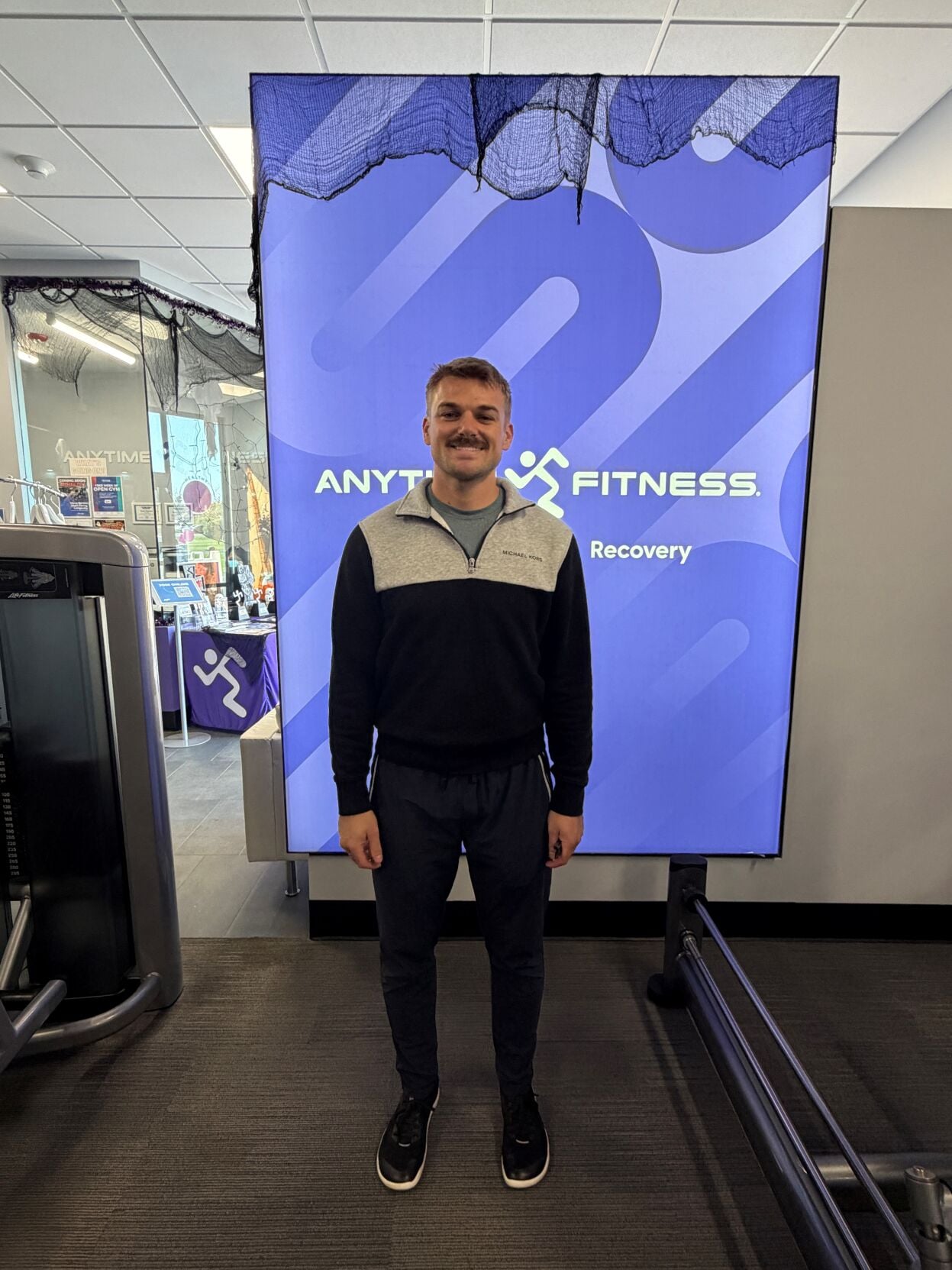
Logan Łukowski, personal trainer at Anytime Fitness, notes why you can good results in a small amount of time exercising.
When it comes to workouts, it comes down to quality over quantity and maximizing the time you have available to put toward exercise. According to experts, you don’t need to spend a hours at the gym for your workouts to be effective.
Minutes, not hours
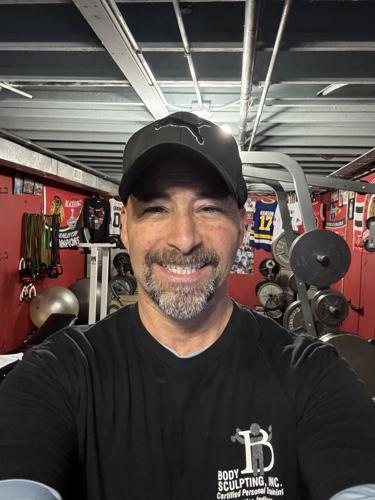
“My workouts are 30 minutes long, and I focus on making the most of that time,” said Jeff Lambert, owner of Body Sculpting in Munster. “Duration matters, but I think consistency is just as important. I’ve been a personal trainer for over 30 years, and I’ve seen that you don’t have to spend hours in the gym to get results. Even a 30-minute workout can be effective if you use your time wisely.”
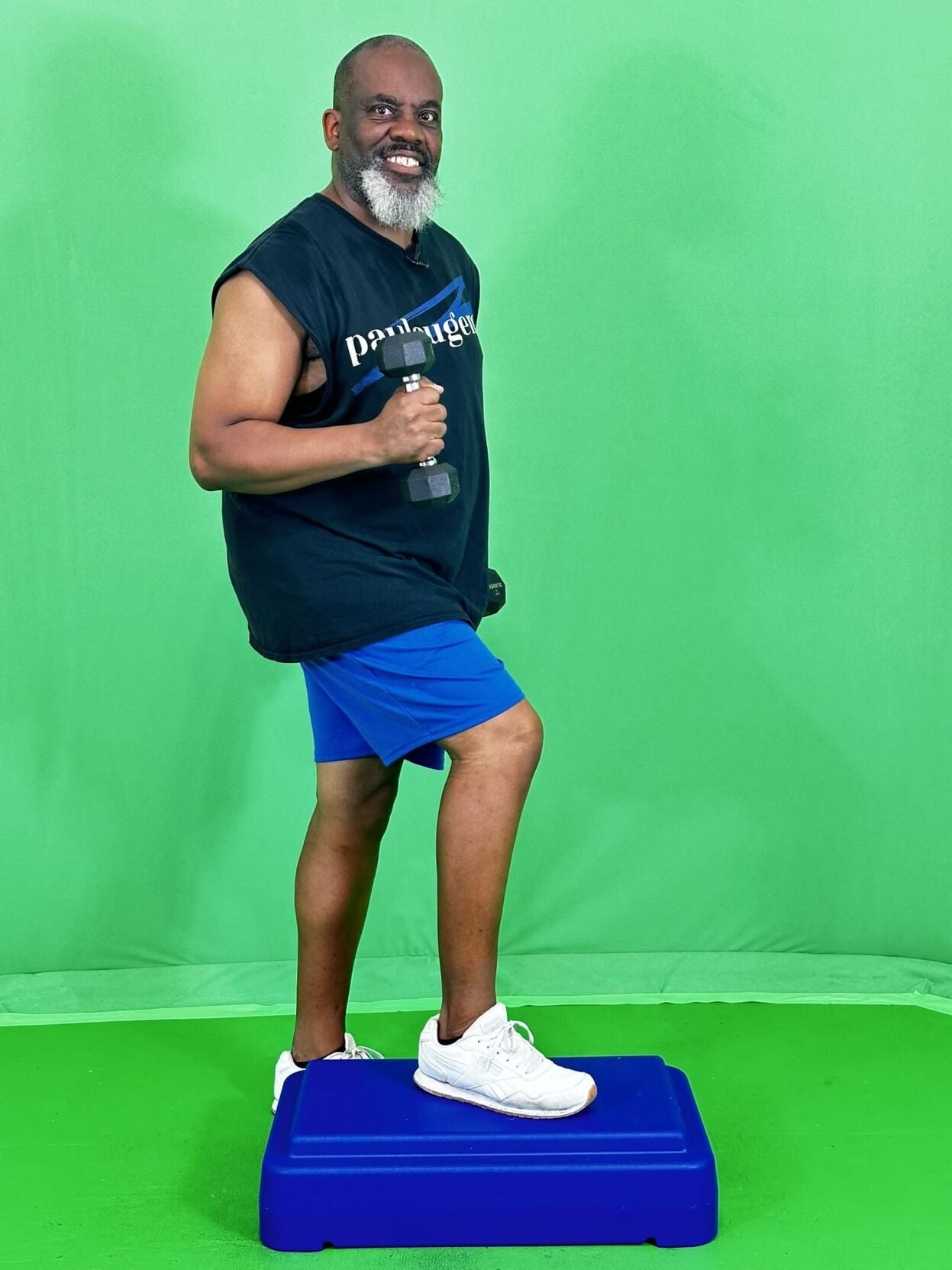
Extending workouts longer than necessary can be harmful. “Longer workouts are not better,” said YouTube wellness coach Paul Eugene. “They can increase the risk of injury and fatigue.”
People are also reading…
He recommends a minimum of 20 minutes for a workout but noted the importance of spending your workout time doing something you like so it doesn’t feel like such a chore. “Love what you are doing. If you love the exercise you do, then you have a high chance of repeating it,” he said.
Time management
Logan Łukowski, biomechanics specialist and personal trainer at Anytime Fitness in Winfield, sees how focusing on duration can deter people from exercising. “People often overshoot and think they don’t have the time, but you can make it work and less time can be needed than people really think,” he said.
“Even if you did a routine five minutes every day, you’re going to get something from it,” he said. “I’m all about fitting workouts into busy schedules. I work with busy moms and with dads who are working shift work at the mills. Time is always the biggest obstacle, but you can get in a good workout in 30 minutes, and it's easier to fit that into a schedule. A lot of people tend to think you need and hour or and hour-and-a-half and that’s not always true.”
When doing a condensed session of lifting weights, keep in mind that rest in between sets remains necessary. “To get a really good workout, it will also require rest. Do a set and then put the weights down for 30 seconds or a minute,” said Lukowski. “But I might add that if someone is power lifting, they’re going to need an hour because of the longer rest time in between.”
According to Lambert, 30-60 minutes works well for most people, with the workout window depending on the person and their goals. “Some people can get a good workout in 20 or 30 minutes,” he said. “The most important thing is finding something that fits your schedule so that you an stick with it.”
Be consistent
Consistency is key, regardless of workout length. “Be confident and push yourself,” said Lukowski. “It’s something you have to do just like brushing your teeth. Don’t make excuses, you can fit it in there somewhere.”
A long workout once a week isn’t going to have the impact of several days or shorter workouts. Lukowski mentioned how frequency rather that duration can increase your rate of return. "Working out one day a week may get you 5% closer to your goal, but three days a week may get you 35-40% closer, and you get a huge rate of return on your routine,” said Lukowski.
To help you stay consistent, you’ll need to do some planning. “Have a plan before you start. Know what you’re going to work on, focus on your technique and don’t spend too much time on your phone,” said Lambert, who works with clients in-studio and in virtual one-on-one sessions.. “You also want to choose exercises that fit your goals. As a personal trainer, I try to help people get the most out of the time they have available.”
Set goals
Having a goal and scheduling your life to work around it makes it more likely to happen. When you realize that consistent, shorter workouts can provide the same -- or maybe better -- results, it can be a motivator to making that time available.
But Lukowski notes that intensity needs to be factored into a shorter workout. “You’ll have to push yourself,” he said. "Work at about 80% of your capacity. You don’t have to kill yourself, but you do have to break a sweat. If you do that with a couple of your prescribed exercises and you do it three times a week, you’ll see a lot of growth. Intensity is important. You can’t lollygag.”


