


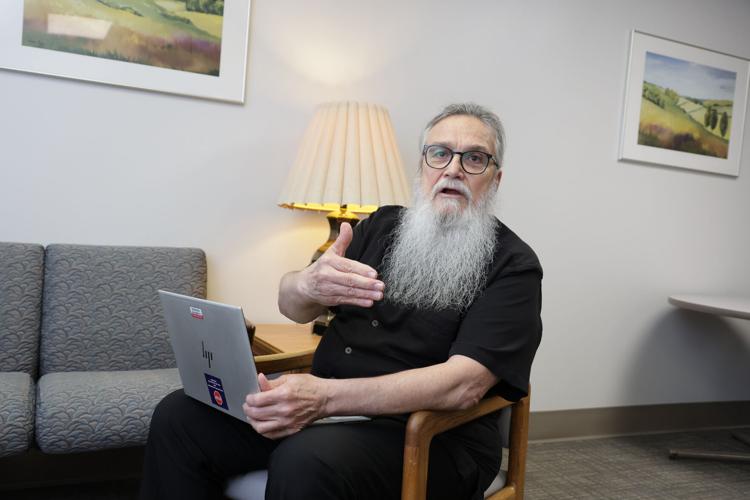

Terry Harman admits that when he retired in 2023, he hadn’t given what would come next much thought.
After all, he had his finances in order, his health was good, his debt load was reasonable, and his home was comfortable. Like many his age, his children had grown and were doing well, and he could travel whenever he wanted.
Yet something wasn’t quite right. Before retiring, Harman owned a counseling agency and worked as an EAP (Employee Assistance Program) counselor for the steel mills. Overnight, a major part of his life had changed.
“I left work and was not going to something,” he said. “I gained 30 pounds. I still had friends and family, but I had no purpose in life. No special reason to pursue life.”
Now approaching 70, Harman says he has found that calling again – returning to work as an EAP, this time with Franciscan Health.
People are also reading…
“I found a job with the Franciscan Employee Assistance Program that allows me to continue helping people, have purpose in my life and the extra income to do all of the extra things in life,” he said.
It’s a conundrum that Jim Dunne, vice president and senior wealth management officer at Peoples Bank, often sees. Deciding whether you’re ready to retire requires a holistic perspective.
“We highly encourage making financial plans with a trusted adviser so you can understand from a financial perspective how things look,” he said. “But oftentimes, the conversation about what you’re going to do with yourself in retirement comes up, too. How you are going to spend money leads into how you are going to spend your time.”
For some, the bigger question is knowing when they’ve reached the point where leaving their career feels right — not simply when they can afford to do so.
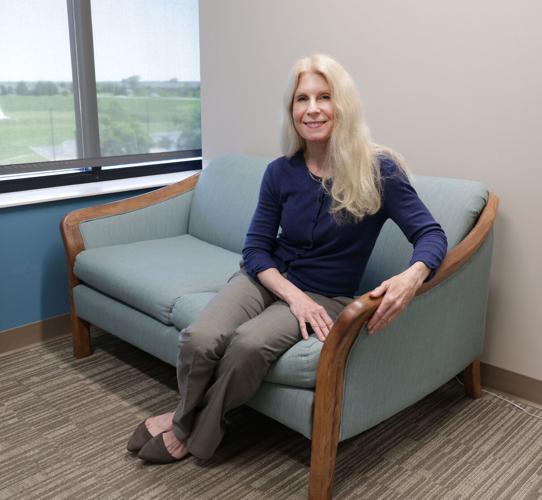
“If it is a long-term career a person is retiring from, a person can reach a point of feeling they have served their purpose, accomplished what they wanted to accomplish in their vocation,” said Diane Armiger, a mental health therapist with NorthShore Health Centers.
Technology changes, work hours and energy output can play a role in deciding when it’s time to leave the workforce. For others, it may simply come down to feeling ready for something different.
“Some people plan for a more fun ‘retirement job’ or volunteer work they would prefer to do,” Armiger said. “There is a point in life when you realize you have limited time to do all of the things you want to do, and retiring from a career would allow you to pursue those other interests.”
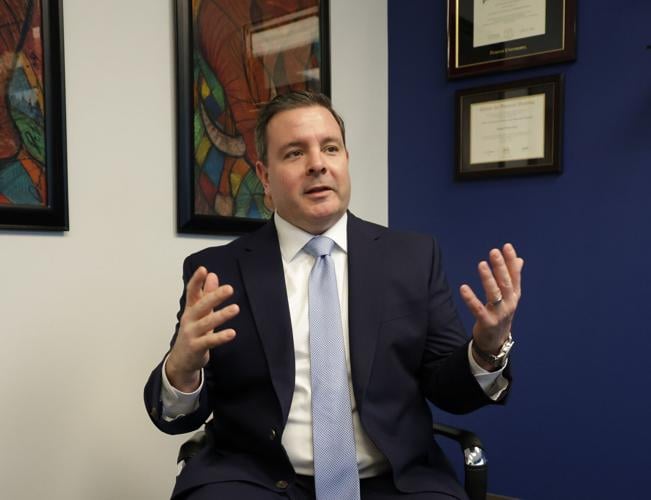
Adam Robertson, a financial adviser with Edward Jones in Schererville, often works with clients who are ready to leave their job, but not necessarily ready to stop working. He says signs such as feeling burned out and wanting more flexibility are indicators of this.
“Retirement doesn’t have to be all-or-nothing,” he said. “Many people find fulfillment through part-time work, consulting, mentoring, volunteering, serving on boards or even starting a new venture they’re passionate about.”
Even when the decision to retire is driven by more than work itself, financial security remains a legitimate concern, particularly amid ongoing uncertainty surrounding Social Security.
“With people in their early 50s, there’s some concern,” Dunne says. “But the likelihood of you having benefits is still pretty high. For people in their 40s and younger, when we do financial planning, we say not to think of Social Security as a concrete plan since it may be reduced.”
Robertson recommends some self-reflection when deciding whether to delay retirement, move to another job or retire, asking questions about the ability to live on a lower income, how a move could affect health care and retirement savings and whether a decision is based on income needs or enjoyment.
“Practically, ask, ‘What do I want more of: Flexibility, purpose, less stress or a new challenge?’” he said. “For many people, the answer isn’t full retirement. It might be part-time work, consulting, teaching, mentoring, volunteering or a new role that’s more aligned with their priorities.”


