


Modern medicine has become very good at helping people live longer with chronic conditions.
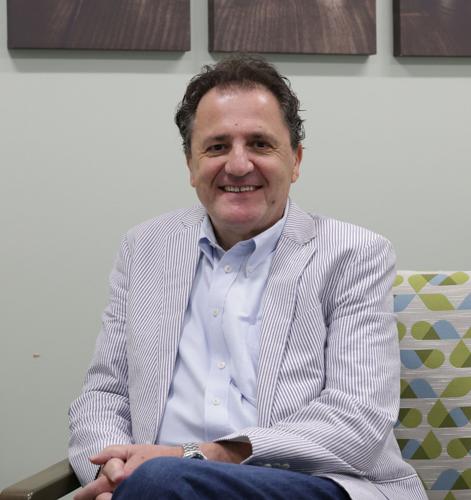
Dr. Andi Arnautovic, of NorthShore Health Centers, notes that it's never too early or too late to shift your thinking to healthspan.
But living longer shouldn’t be the only goal, says Dr. Andi Arnautovic, chief medical officer at NorthShore Health Centers.
“We want people to spend more of those later years with strength, mobility, purpose, mental clarity and independence,” he said.
In clinical practice, that means preventing or delaying conditions that are more common as people age, from diabetes to heart disease, dementia and muscle mass loss. The average life expectancy in the United States, according to the Centers for Disease Control and Prevention, is 79 – 76.5 years for males and 81.4 for females.
While lifespan is a straightforward number, healthspan is not.
“Healthspan means the years of life spent in good functional health – able to move, think, participate, recover and live independently as much as possible,” Arnautovic said. “Lifespan asks, ‘How long did you live?’ Healthspan asks, ‘How well did you live during those years?’ ”
People are also reading…
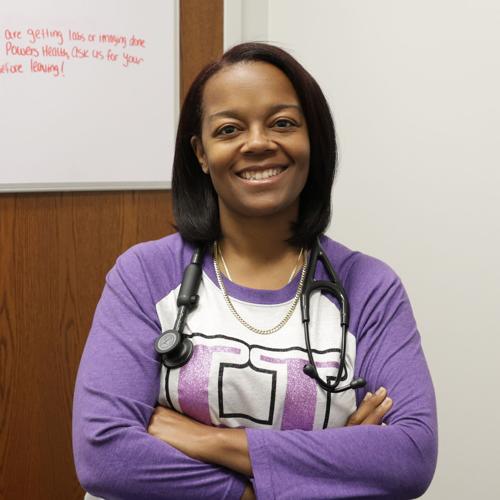
Leah Johnson-Williams, a family medicine nurse practitioner with Powers Health, offers tips for people in their 40s and 50s to make sure their health keeps up with their lifespan.
Many clinicians and researchers are rethinking aging – shifting the focus to healthspan from lifespan – and it’s important patients do the same, says Leah Johnson-Williams, a family medicine nurse practitioner with Powers Health.
“The conversation has shifted from quantity to quality as people are living longer,” she said. “There needs to be more of an emphasis on sustaining health, physical functionality, independence and enjoyment out of these extra years.”
Lifespan-healthspan gap
A study published at the end of 2024 in JAMA Network Open found that globally, there is a 9.6-year gap between lifespan and the number of years participants live in good health – free from significant chronic diseases and functional decline. That gap is as much as 12.5 years in the U.S., according to World Health Organization data from 2021.
While people are living longer, they’re not necessarily gaining years of good health at the same rate, and Arnautovic points to a concerning trend he sees in patients that can affect healthspan later in life.
“Many people in their 30s and 40s feel too busy to focus on health, but those are often the decades when the trajectory is being set,” he said. “Small habits repeated for 20 or 30 years can either protect healthspan or quietly shorten it.”
Johnson-Williams says many people also ignore what their bodies are telling them.
“By not explaining away symptoms, we can investigate and intervene early with conditions or diseases that can be better controlled before they become harder to manage later in life,” she said.
Midlife is key
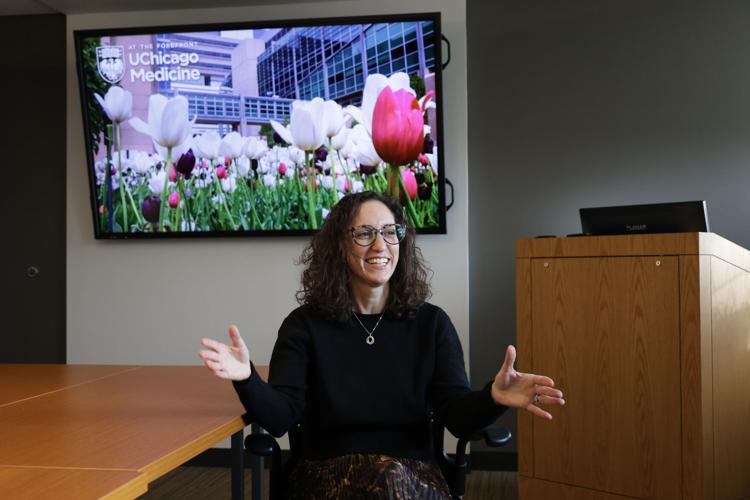
As people enter into their 40s, it becomes increasingly important to focus on health preservation, says Dr. Lauren Gleason, associate professor of medicine with a specialty in geriatric medicine and internal medicine at UChicago Medicine.
“This is because physiological decline in most organ systems begins well before clinical disease manifests,” she says.
Skeletal muscle mass and strength peak in the 30s and 40s, but decline 1% per year from middle age on, Gleason said.
“Bone mass similarly peaks in early adulthood and begins to decline from the fifth decade,” she said.
Silent risk factors also develop in this 30- to 40-year age group, Arnautovic says, including blood pressure, cholesterol, weight gain, insulin resistance, fitness loss, poor sleep and stress patterns.
“By the 50s and 60s, the focus becomes even more intentional – maintaining muscle, balance, cardiovascular fitness, bone health, brain health and metabolic health,” he said.
Yet, Gleason stresses it’s never too late to improve healthspan, particularly with interventions including exercise and resistance training. In fact, she points to the ASPREE (ASPirin in Reducing Events in the Elderly) cohort, an observational study of thousands of older adults in the U.S. and Australia, as proof.
“ASPREE cohort found that engaging in three or more healthy lifestyle behaviors was associated with a 10% gain in healthspan of over 6.6 years, with similar gains in morbidity-free and overall survival, suggesting that lifestyle interventions compress morbidity even in the eighth decade,” she said.
What to change now
Whether you’re in your 20s or 80s, modest changes can make a difference, Arnautovic says.
“The goals may look different depending on the person,” he said. “A 35-year-old may be training for long-term prevention. A 75-year-old may be training to stay independent, prevent falls, get out of a chair safely, carry groceries and recover from illness. Both matter. The body remains adaptable much later in life than many people realize.”
Sleep is key to that longevity, Arnautovic says.
“Recovery is not optional,” he said. “Sleep is when the body repairs tissue, regulates hormones, supports immune function, clears metabolic waste from the brain and resets energy systems.”
Chronic sleep deprivation can lead to chronic health conditions, becoming a major driver of decline, he said.
“When recovery is consistently insufficient, the body stays in a stress state,” Arnautovic said.
In addition to eating a healthy diet and exercising, Johnson-Williams says it’s important to focus on preventive health care, including annual exams for baseline labs and age-related check-ins.
“I find that more people in midlife are concerned and burdened about the responsibilities of adulthood and tend to place their health on the back burner,” she said. “They tend to come when symptoms are impairing their normal functioning or they are at a point where their coping mechanisms are no longer working.”
Preventive measures allow for potentially larger health concerns to be addressed when they are minor – and before they turn into systemic concerns, she says.
Arnautovic stresses no gimmicks are needed to improve healthspan.
“We do not need extreme fasting or expensive products to support cellular health,” he said. “The basics – movement, good sleep, healthy nutrition and avoiding smoking – remain the most powerful tools.”


