


Measles has reached more than a quarter of Indiana's counties, with 269 confirmed cases reported statewide as of Nov. 25. LaGrange County has recorded 60 cases, the most of any county.
The outbreak's reach marks a sharp change from last year, when Indiana reported 10 cases. In the 2025-26 school year, about 1 in 10 Indiana kindergartners was not up to date on measles, mumps and rubella vaccinations; rates in some counties with larger outbreaks were as low as 74%.
The outbreak comes as the United States has lost its measles-elimination status, ending a distinction it held since 2000. The Pan American Health Organization revoked the status Nov. 17 after confirming that a single chain of measles transmission had continued in the country for at least a year.
People are also reading…
The local outbreak is concentrated in northeast and eastern Indiana. Measles spreads through the air and is so contagious that about 95% of a community needs to be vaccinated to prevent sustained spread, a level known as herd immunity.
The CDC recommends two doses of the measles, mumps and rubella vaccine for children: the first at 12 to 15 months and the second at 4 to 6 years.
What is the measles?
Measles, also known as rubeola, is a highly contagious viral illness that causes various symptoms, including high fever, dry cough, runny nose, conjunctivitis, Koplik’s spots, and a rash that starts on the face before spreading downwards across the whole body.
The virus spreads easily through the air when an infected person coughs, sneezes or breathes, and can linger in a room for up to two hours after an infected person has left.
About 30% of measles cases develop complications, ranging from ear infections and diarrhea to pneumonia and even death. These extreme outcomes are most observed in young children, pregnant women and those with weakened immune systems.
Only supportive care and treatment for complications can be administered once measles is contracted, as there is no antiviral for the illness.
As of Nov. 24, 6,039 measles cases had been confirmed nationwide in 2026, the highest annual total since 1991, according to the CDC. The count is preliminary.
How should Indiana residents respond?
Check vaccination records. MyVaxIndiana allows users to search for and download immunization records through the Indiana Department of Health’s CHIRP registry. Records are also available from local health departments and primary care providers. Call 1-888-227-4439 or email MyVaxIndiana@health.in.gov or chirp@health.in.gov for assistance.
Check with your insurer to confirm coverage. Most private health insurance plans cover the MMR vaccine at no cost at retail clinics such as CVS and Walgreens. County health departments typically serve Medicaid recipients, people without insurance and eligible children.
Find a convenient clinic. Some accept walk-ins; others require appointments. Check the clinic's hours and insurance requirements before going.
What comes next nationally?
To regain elimination status, the U.S. must submit a corrective action plan to the Pan American Health Organization, close local immunization gaps and demonstrate at least 12 straight months without transmission of the single measles chain that caused the current outbreak.
Many local agencies and health departments are urging unvaccinated people that are behind on routine childhood immunizations to get the MMR vaccine immediately. According to the CDC, two doses of the MMR vaccine are about 97% effective at preventing measles, while one dose is about 93% effective.
If exposure is suspected, quarantine unless medically necessary to prevent exposing others. Unvaccinated people are advised by the CDC to quarantine for at least 21 days from exposure and ask a healthcare provider immediately about post-exposure MMR vaccination within 72 hours.
If symptoms become more severe, call a doctor to discuss next steps before visiting a clinic, urgent care or hospital. Keep a close eye on young children, pregnant women and those that are immunocompromised, as they are at the highest risk for measles complications.
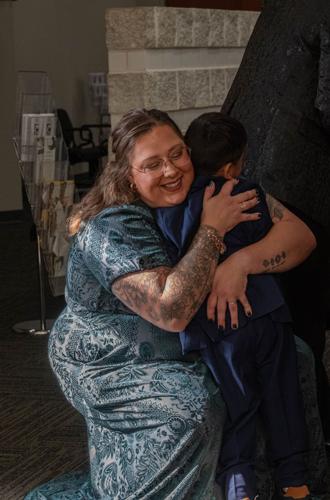
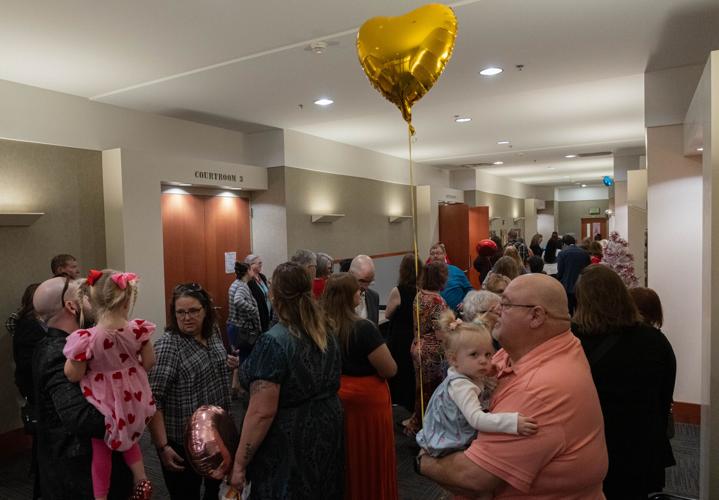
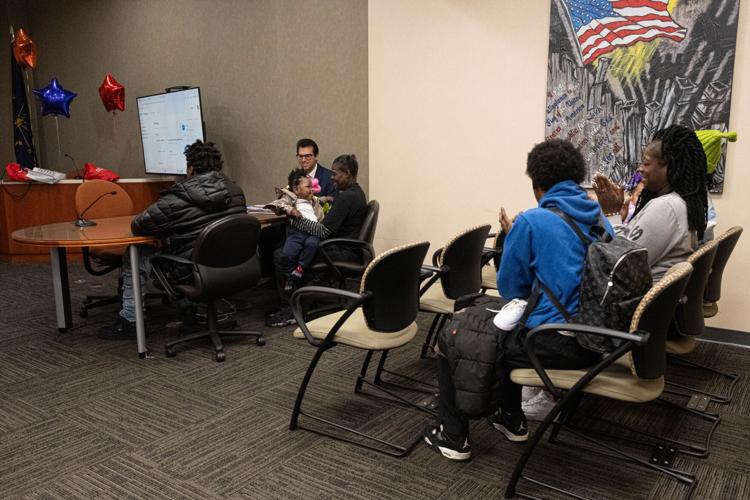
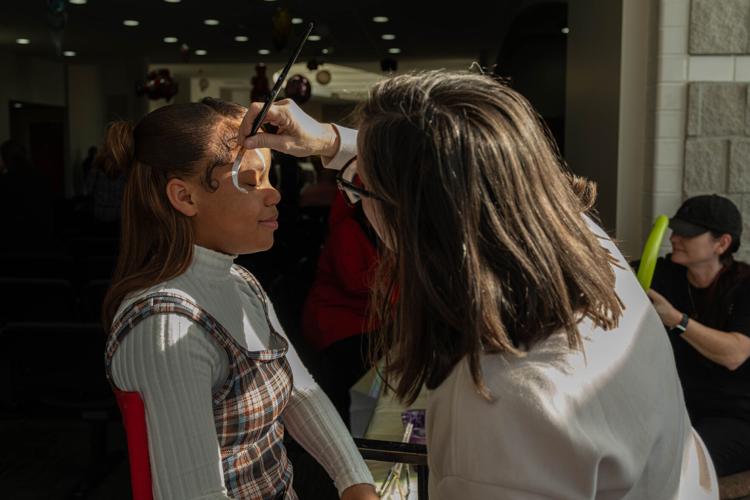
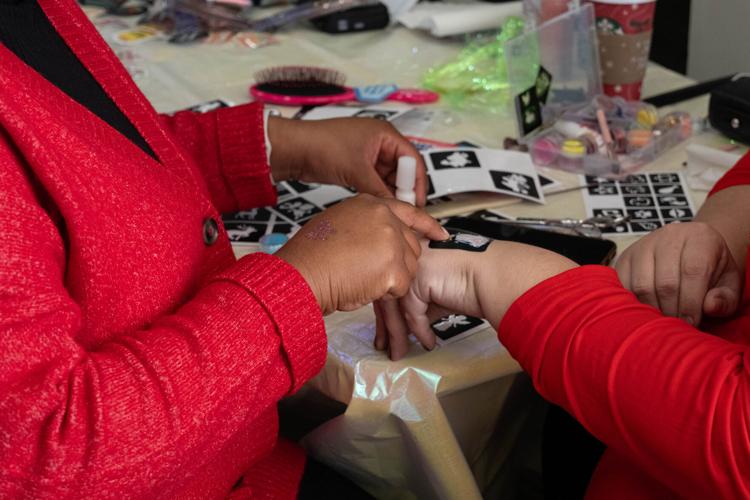
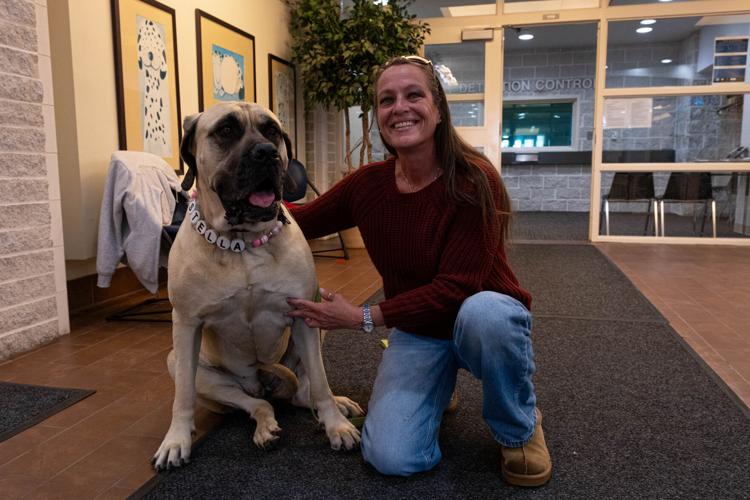
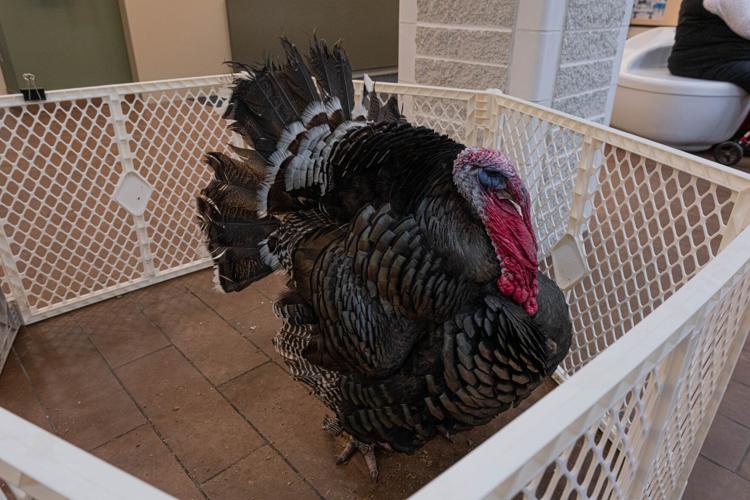
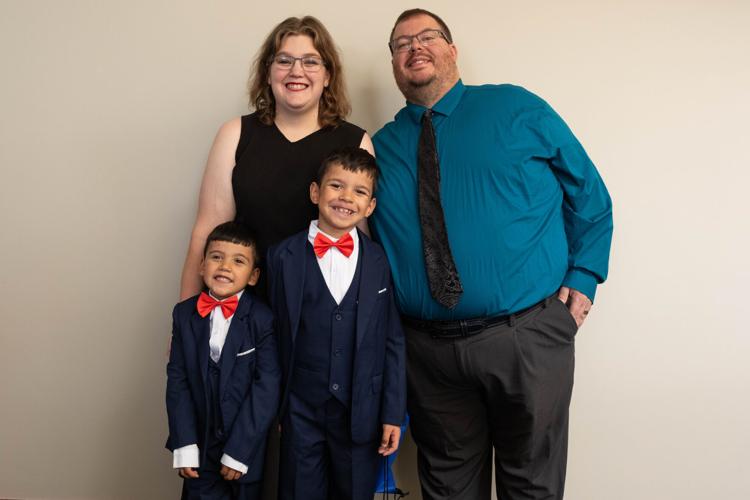
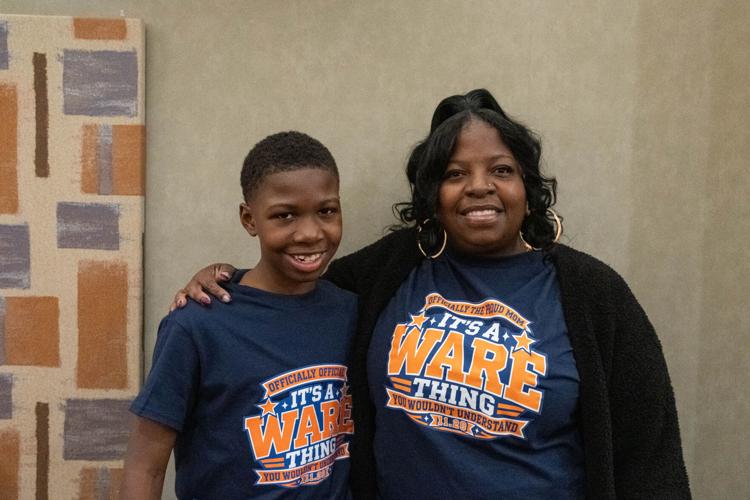
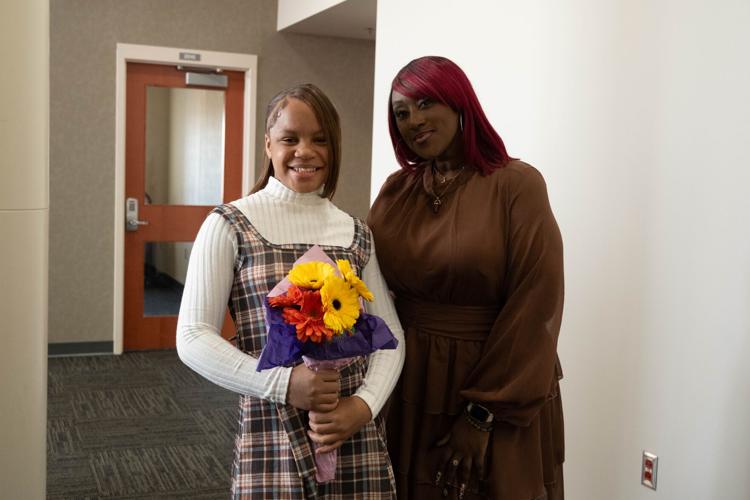
PHOTOS | National Adoption Day event at the Lake County Juvenile Center
On Friday, multiple children were adopted into their forever homes during Lake County’s National Adoption Day event.
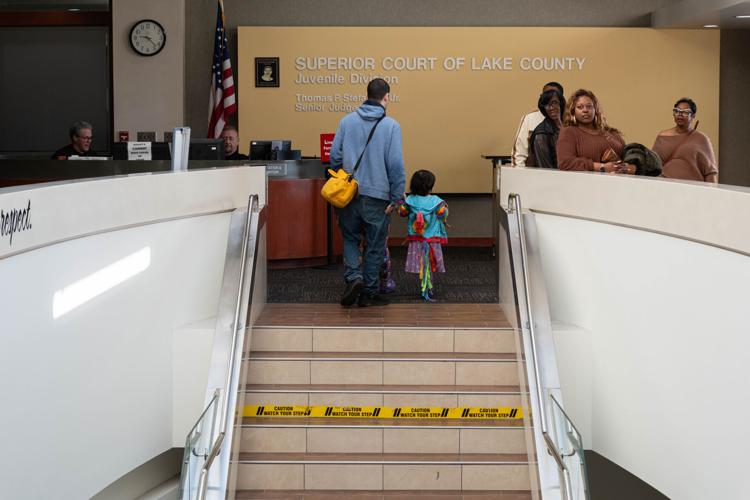
Families enter the Lake County Juvenile Center ahead of their adoption proceedings.


