




Let’s face it, there aren’t a lot of exercises that people mostly love. It’s probably more accurate to say that some are simply more tolerable than others.
There are, on the other hand, several that are almost universally hated. Dreaded. Loathed. And, therefore, often shunned — though they’re plenty beneficial.
Trainers know. They hear the muffled expletives from their clients and the collective groans from their groups when it’s time to tackle one of these activities. But because being despised and being valuable aren’t mutually exclusive, trainers tend to encourage these exercises – and maybe find a way to make them a little more bearable.
Here are three that tend to inspire ire.
The pull-up
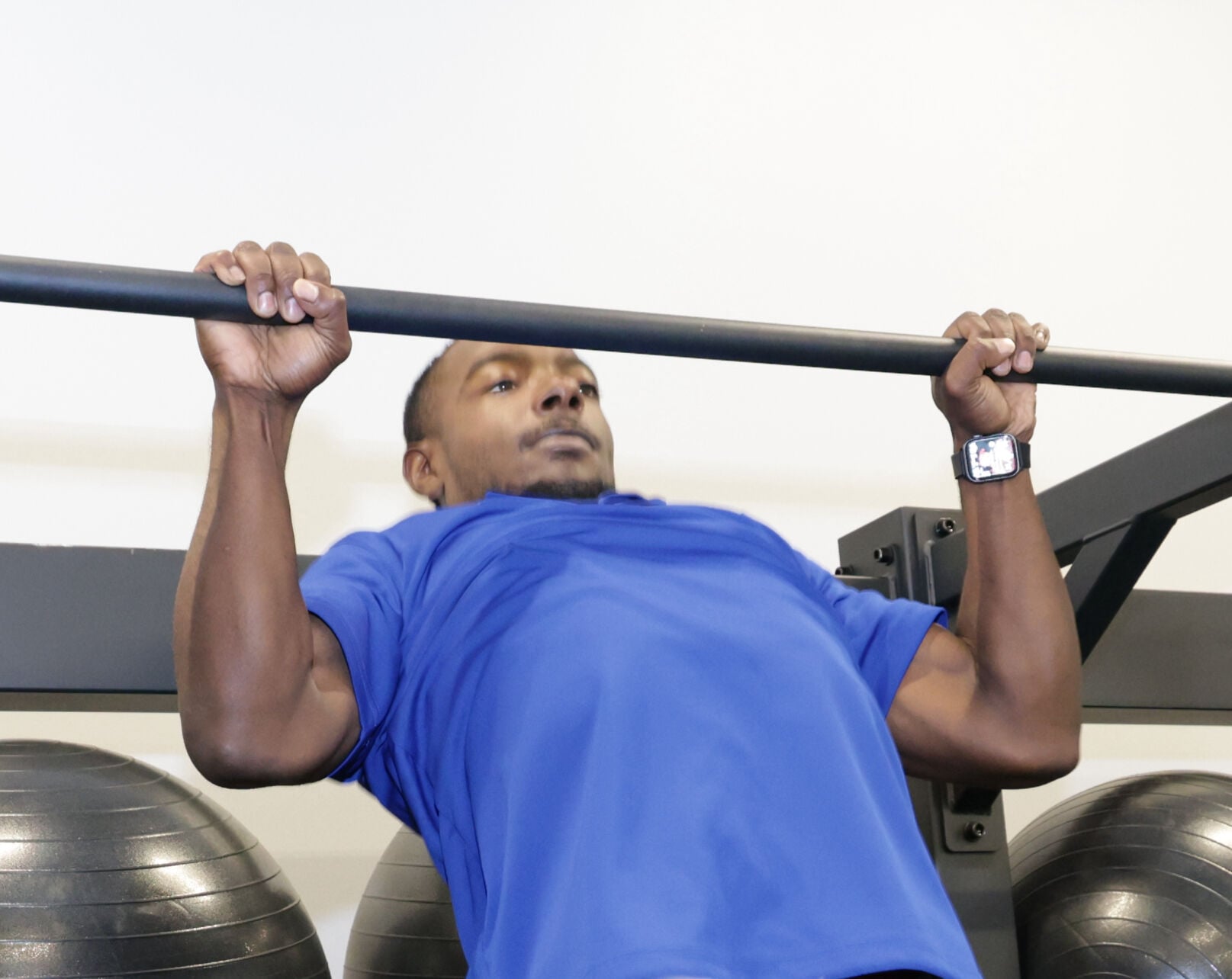
Chad Roth, a personal trainer working out of Full Spectrum Fitness Center in Crown Point, says his clients tend to dislike pull-ups because they require significant upper-body strength and can cause frustration. If done wrong, he adds, a lot of people will feel it more in their arms than their back. But when done properly, Roth believes the pull-up has great value.
People are also reading…
“The pull-up is a beneficial exercise because it can improve your upper-body strength,” he explains. “You build muscle in your lats, traps and rhomboids, and you strengthen your core. Pull-ups can also help correct your posture using pulling movements to help prevent slouching forward.”
Negate the hate: Roth says using an assisted pull-up machine at your gym to help counterbalance your body weight to increase your strength and make the pull-up more tolerable. He also recommends putting your foot or knee in a resistance band that’s placed over a pull-up bar to help offset your body weight and make it less challenging to pull yourself up.
The squat
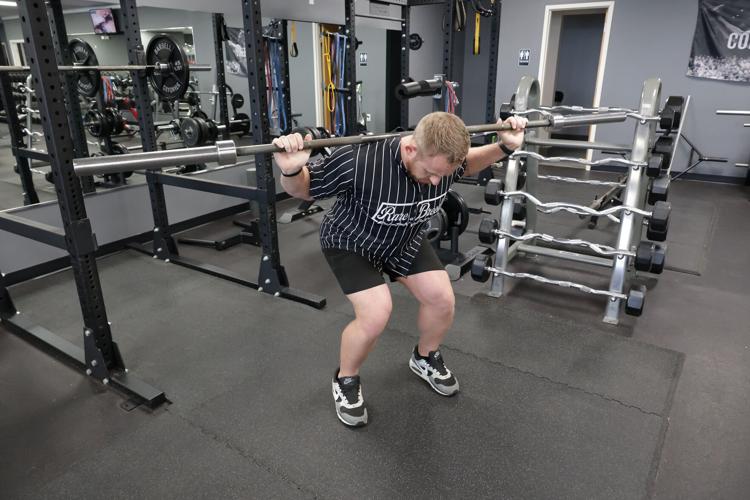
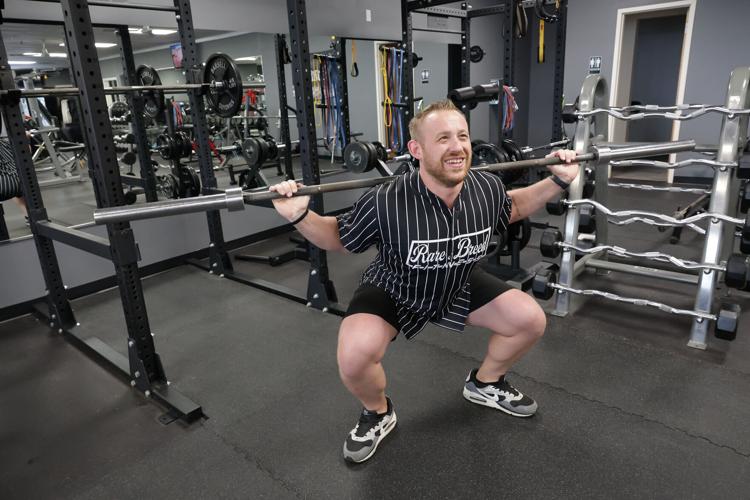
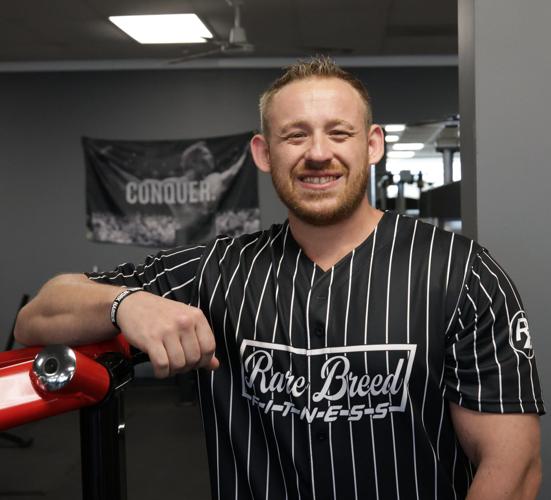
People often dislike or avoid squats because they associate them with knee pain, usually from shifting onto their toes and allowing their knees to collapse inward. But Tyler Armstrong of Rare Breed Fitness in Winfield says squatting strengthens the hips and legs, which becomes more important as a person gets older.
“Squats can help preserve a basic ability we often lose with age – the ability to stand up from furniture or get ourselves off the ground,” he explains. “This is essential for maintaining independence and quality of life as we start to slow down in life.”
Negate the hate: To make the squat more comfortable, as well as give yourself more driving force, Armstrong says to push the knees outward while on the way up (to engage all of the leg muscles), then drive upward through the hips and glutes instead of standing straight up and pushing through the toes and knees. This prevents the knees from rolling in and causing pain and discomfort.
The plank and wall-sit
What do these two simple exercises have in common? Not only are they beneficial, they’re also extremely stagnant and boring.
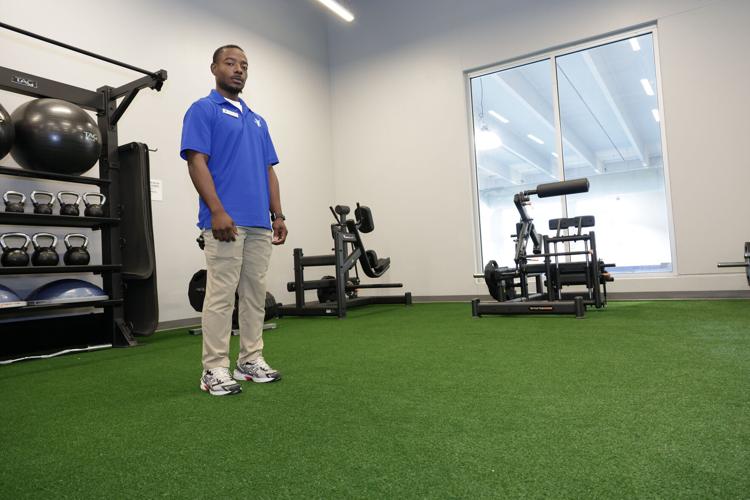
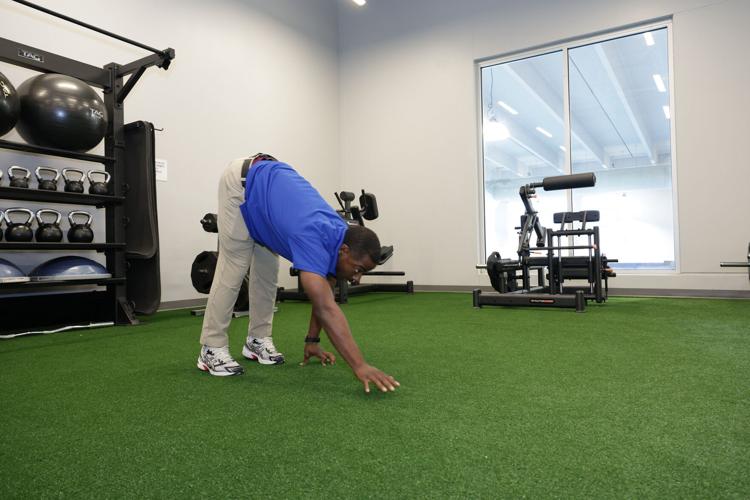
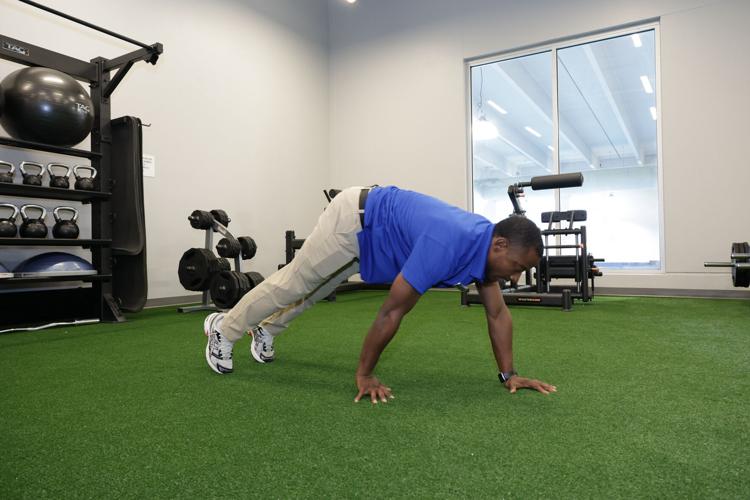
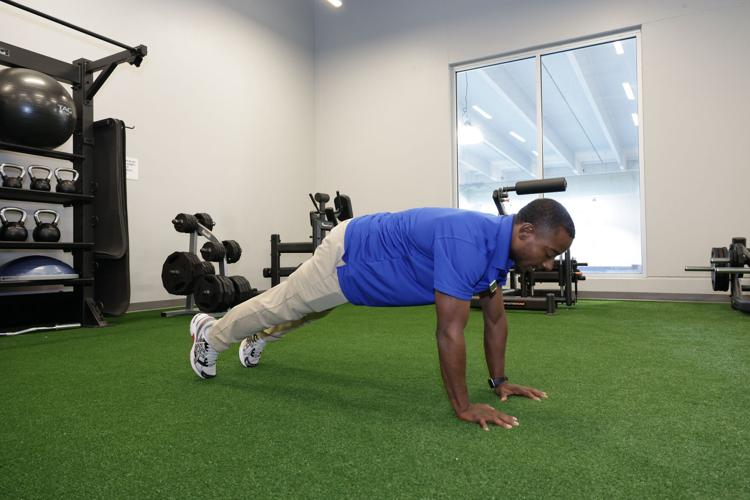
At least those are the most common complaints Devon Whitaker hears from clients at the Gary YMCA, where he is a certified personal trainer and wellness director. But he also knows planks are a great way to build core strength and wall-sits are an effective lower-body exercise.
Negate the hate: Instead of a regular plank, Whitaker recommends trying a plank tap instead. From a plank position, slowly alternate reaching one hand forward to tap a medicine ball or another designated spot, keeping the movement slow and controlled for the greatest benefit. “The added movement creates a new challenge while keeping the core engaged,” he says.
To a wall-sit, Whitaker says to add some movement with kneeling-to-standing repetitions. Begin in a kneeling position and bring one foot forward at a time to rise into a low standing or squat position before returning to the floor, alternating your lead leg as you repeat the movement. “This challenges the lower body while making the exercise more active and dynamic.”


