


Growing older isn’t just about the changes we see in the mirror. It’s also about the stories we tell ourselves about aging.
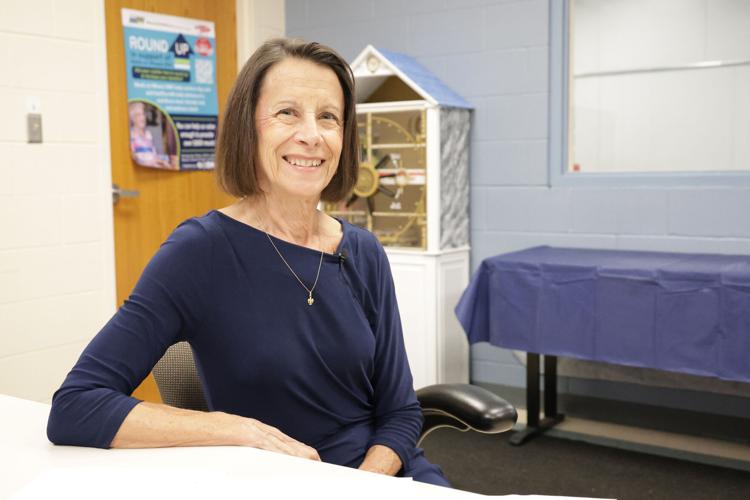
For Sandra Noe-Braccolino, changing those narratives starts with recognizing the subtle ways ageism shapes how we view ourselves.
The former CEO of Meals on Wheels Northwest Indiana has seen ageism show up in countless everyday moments, influencing how people view themselves as they grow older.
“The gray hair that shows up in the morning or the wrinkle on your face or the nagging pain in your back,” she said, adding that it’s easy to think, “I look like my grandmother did when I was just a little girl.” This can make the first gray hair, stiff joint or other change in health feel alarming, said Noe-Braccolino, who retired from Meals on Wheels in 2024 but is still active in community service.
People are also reading…
“A negative health screening, and we become anxious and often depressed,” she said. “I’ve seen it become a downward spiral of our aging self-image.”
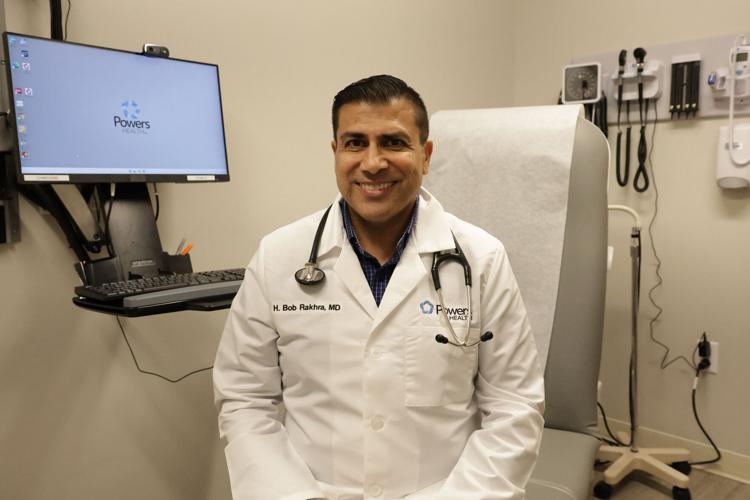
A biological process, aging causes bodies to change – and no amount of positive thinking can stop the wrinkles, gray hair or the physical realities of growing older, says Dr. H. Bob Rakhra, an internal medicine physician with Powers Health Medical Group.
“However, psychology plays a much larger role in aging than many people realize,” he said.
One of the most influential researchers in this field is Dr. Becca Levy, a psychologist at Yale University, whose work has helped shape scientists' understanding of the connection between mindset and aging, Rakhra says.
“Her landmark longitudinal studies found that individuals with more positive perceptions of aging tended to experience better physical and cognitive health and, remarkably, lived an average of several years longer than those with more negative views of aging,” he said. “Mindset doesn't determine whether we age, but it can significantly influence how we experience aging.”
Internalized ageism can take a significant toll, with some studies finding that 36% of older adults endorse negative age stereotypes about themselves.
“Internalized ageism occurs when people absorb society's stereotypes about aging and eventually apply them to themselves,” Rakhra said. “Comments like ‘I'm too old to learn that’ or ‘Memory loss is inevitable’ may seem harmless, but they can become self-imposed limitations over time.”
Research suggests these beliefs often begin forming during childhood through media portrayals, cultural messages and everyday conversations, he says.
“Years later, those same assumptions can shape expectations, behaviors and even health outcomes,” Rakhra said.
Self-fulfilling expectations
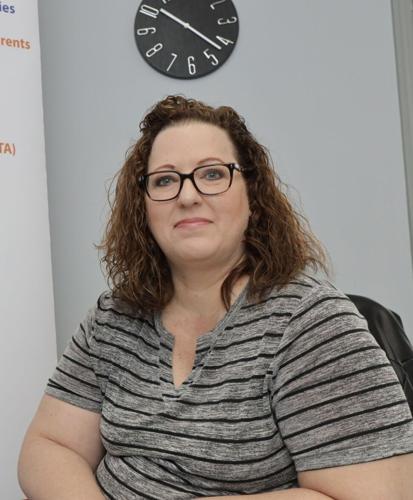
If people believe decline is unavoidable, they may stop exercising, learning or socializing, says Jennifer Malone, chief services officer of Co-Action.
“That can lead to weakness, isolation and loss of confidence,” she said. “Positive expectations do not guarantee good health, but they can make healthy action more likely.”
Over time, these self-limiting behaviors can contribute to the decline people expected, Rakhra says.
“On the other hand, people who view aging as a period of continued growth are more likely to stay active, engaged and connected,” he said. “The difference isn't wishful thinking – it's the behaviors that follow those beliefs.”
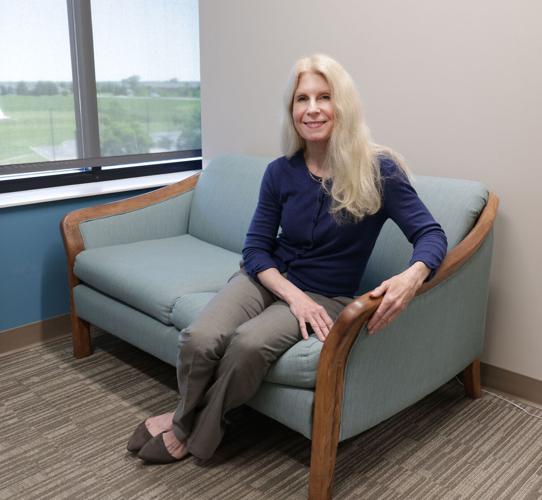
Diane Armiger, a mental health therapist with NorthShore Health Centers, says preconceived notions developed earlier in life about aging play a significant part in how people move through the later years of life.
“One’s beliefs and family influences from what was modeled to them about aging are also factors,” she said.
In fact, perceptions of aging and whether those expectations become self-fulfilling are often shaped long before we reach older adulthood, says Nicole Langley, PACE social worker with Franciscan Senior Health and Wellness.
“The age of people start developing negative expectations about growing older depends on who they have in their lives growing up, what they learn from their social circles and their overall lifestyle,” Langley said.
Is age truly just a number?
While the popular saying, “Age is just a number,” sounds hopeful, it can be an example of oversimplification, experts say.
“I learned once that we have three ages: Our chronological age – how many years we have been alive; our physical age – how old our body is based on wear and tear; and our psychological age – how old we feel,” Langley said.
While a 75-year-old body is not the same as a 25-year-old body, age alone is just one part of the story, Rakhra says.
“Two people of the same age can have dramatically different levels of fitness, cognitive function, independence and overall health,” he said. “Functional age – how well a person is actually functioning – often matters more than the number itself. A better statement might be: ‘Age is a number, but it's not the whole story.’ “
”
Unrealistic positivity
Aging well doesn’t require pretending everything is perfect, Rakhra says.
“It requires balancing realism with hope,” he said.
Healthy acceptance acknowledges reality and recognizes that some days may be genuinely difficult as people age, he said.
“It allows people to say, ‘This is hard,’ while still moving forward,” Rakhra said. “Toxic positivity does the opposite. It dismisses legitimate concerns and pressures people to remain cheerful regardless of circumstances. It insists that every change is fine and avoids acknowledging pain or disappointment.”
It’s important to acknowledge pain, grief and frustration – without being told to simply stay positive, Malone says.
“Real resilience includes honesty, support and adaptation,” she said.
Making the most of aging
Reminiscing about the past and what life was is normal, but Langley advises to avoid trying too hard to become that younger version of yourself.
“Realizing that your younger self is still with you and keeping the feeling of being young at heart can help balance your life as it is today,” she said.
Cultivating good habits – eating well, learning new hobbies, reflecting on achievements and finding ways to support younger relatives – as a person ages can help with the transition into retirement and beyond as well, Armiger says.
“I have watched my 100-year-old aunt thrive during her older years using these lifestyle habits,” she said.
In her work with Meals on Wheels, Noe-Braccolino says she has seen several volunteers who, regardless of their age, take pride in their continued work.
“I believe delivering a meal to those in need gave them a positive outlook on their own lives regardless of their own health concerns,” she said.
The goal should be not to remain the same person at 25, 45 or 65, Rakhra says.
“The goal is to continue growing, contributing and living meaningfully despite life’s inevitable transitions,” he said. “Ultimately, successful aging is maintaining the ability to engage fully with life while adapting practically, gracefully and without shame to the changes that naturally occur with age.”
That's a far more achievable goal than trying not to age, he says.
“Perhaps most importantly, it's a goal that remains attainable at every age, with the potential not only to improve quality of life but also to add more healthy and meaningful years to it,” Rakhra said.


