



It’s mid-afternoon. Your eyelids feel heavy, productivity has plunged and your stomach is growling. You try to remember what you ate for lunch or if you even ate lunch. It may be that you’ve had a long day, or perhaps you’re in need of a snack. You head to the kitchen, open the fridge then the pantry then the fridge. What will keep you going until dinner without spoiling your appetite for it?
Whether you’re dealing with kids and their after-school crash, trying to think clearly to meet deadlines at the office or scurrying to get the million things done by end of day, the afternoon slump is real at every age. And while you may be trying to accomplish more than is humanly possible, there is often a food component involved.
The slump
It helps to understand why this happens. That afternoon crash usually traces back to blood sugar. When you eat a meal heavy in refined carbs such as white bread, crackers or something sugary, your blood sugar spikes fast. The body responds with a rush of insulin to bring it back down and often overshoots. A few hours later, blood sugar dips below where it started. That dip shows up as fatigue, irritability, trouble focusing and a desperate need for something to eat right now.
People are also reading…
Blood sugar isn't the only piece, either. Dehydration causes a similar sluggishness, and it's easy to go hours without a real drink of water once the afternoon gets busy. If your energy dips and you can't remember the last time you had water instead of coffee, that's worth checking.
None of this is a willpower problem. It's physiology. And once you see it that way, the 3 p.m. slump makes a lot more sense.
Simple solution
A common habit is to grab a cup of coffee, pop or candy bar. Kids may go for packaged cookies, juice or fruit snacks. All these easy options spike blood sugar, which feels like a win for about 20 minutes. Then comes the crash, often harder than the one you were trying to avoid.
A word on juice. It seems like a healthy choice because it's made from fruit. But without the fiber whole fruit provides, juice can spike blood sugar in a way that's closer to pop than most people realize. Whole fruit is the better call every time. The satisfaction of chewing is also a benefit.
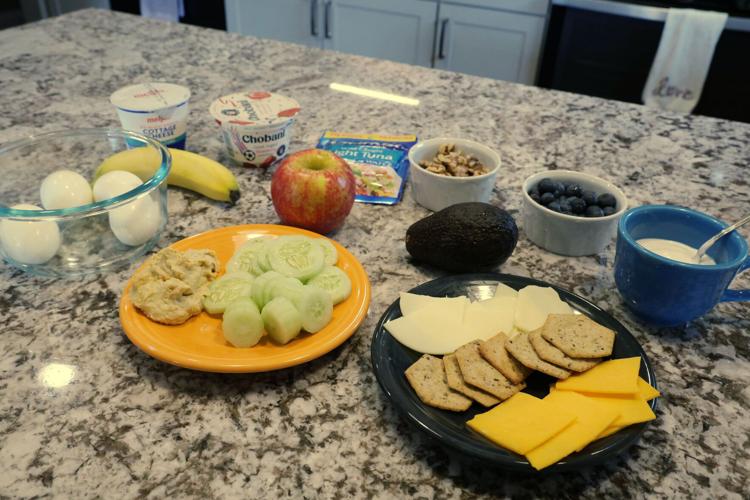
A good after school or midday snack ideally pairs protein, fiber and a bit of healthy fat. That combination slows digestion, which means glucose enters the bloodstream gradually instead of all at once. Steady blood sugar means steadier energy and mood.
Here are combinations that fit the formula: Apple slices with peanut or almond butter; Greek yogurt with berries; whole grain crackers with cheese; hummus with carrots or cucumber; hard boiled eggs with a piece of fruit; a small handful of nuts with dried fruit; a small, tossed salad with a few chickpeas.
None of these require a recipe or a trip to a specialty store. The goal is a snack with some staying power, not a full midday meal.
Small changes, big difference
You don't need to completely overhaul snack time or make perfect choices to feel and see a difference. Swap the cookie for cheese and crackers a few days a week. Keep cut up fruit and nut butter on hand for the days that need something fast. Small, consistent swaps add up to fewer rough patches and a calmer household or office environment in that stretch between lunch and dinner.
That 3 p.m. crash doesn't have to be part of the daily routine. With the right snack, you can make it to dinner with your energy and your patience intact. Here’s to smoother afternoons.
/
Carol Slager is a licensed pharmacist, author, blogger and health coach in Northwest Indiana. Follow her monthly in Get Healthy and at inkwellcoaching.com. Opinions expressed are the writer's.


