


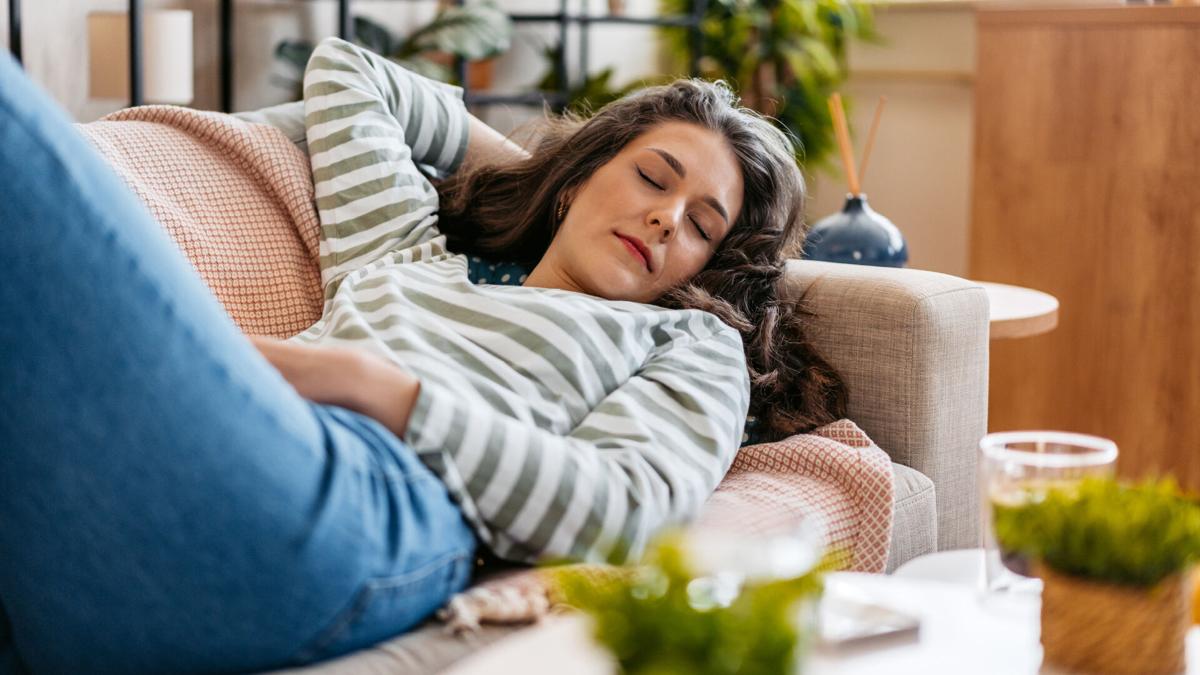
Some kip. Forty winks. A bit of shuteye.
Maybe the reason the world has so many nicknames for napping is because it’s such an attractive prospect. A little sleep to break up a long, stressful day. A chance to catch up on the rest that may have eluded you (or simply not been enough) the night before. An opportunity to hit the human equivalent of the reset button before the system crashes.
For these reasons and more, napping is a cultural tradition in many parts of the world. But here in the go-go U.S., a nap is often derided as something for a kid with a carpet square or the refuge of the lazy and shiftless. A lunchbreak to give the body the fuel it needs to stay healthy and productive? No problem. A nap to give the body the rest it needs to remain dependably alert and on-task? Forget it.
But health experts are increasingly getting behind the potential benefits of a well-placed nap, with big names including the Mayo Clinic and the American Heart Association extolling the positive effects. And given the growing awareness of the importance of healthy, restful sleep — thanks in part to the abundance of data available from wearable devices and health-focused apps — the social bias against napping just might start receding.
People are also reading…
“In many other countries, nap time is built into the day at work or as tradition and is viewed positively, but here napping is often viewed more negatively,” says Diane Armiger, a mental health counselor with NorthShore Health Centers in Portage. “But there are plenty of potential benefits of naps, such as helping with mood regulation, managing impulsivity, increasing alertness and focus and enhancing relaxation.”
Dr. Brian Dickover, a specialist in sleep medicine at Franciscan Health in Michigan City, adds that naps can also help improve cognition and thinking and can help lower stress. The key, he says, is to not overdo it.
“Some health outcomes can possibly be worsened with prolonged or overly frequent naps,” he explains, noting that too much napping can worsen insomnia, upset healthy sleep hygiene or lead to impaired thinking and grogginess. Armiger adds that napping shouldn’t be misused as a means of escape from or avoidance of life, which can worsen depression.
But as long as napping is done in moderation, Armiger and Dickover agree that it can be a great way to supplement nighttime sleeping and help get your body the rest it needs. And as more people see the potential benefits, Armiger hopes that the stigma surrounding napping will start to go away and more people will take advantage of what a little midday rest has to offer.
“I would love to see naps and sleep become more prioritized in our country,” she says.