


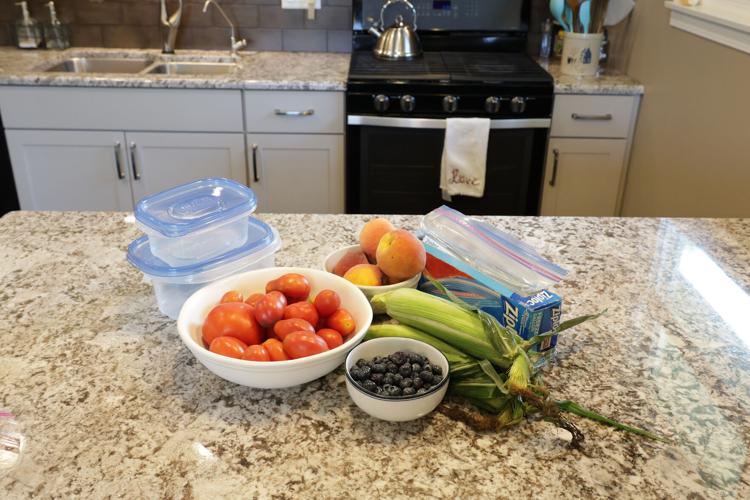
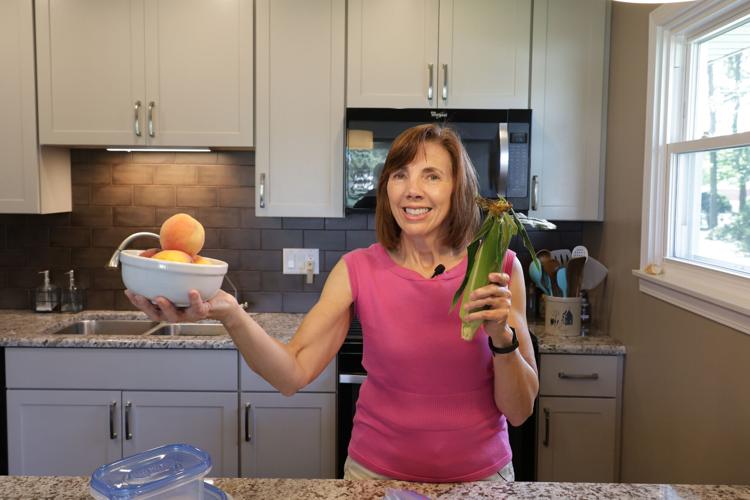
Health coach Carol Slager shows how to freeze fresh fruits and veggies now for a taste of summer this winter.
There is something wonderful about opening your freezer in the middle of winter and finding a little piece of summer waiting for you. The blueberries you froze in August can become muffins in January. Sweet corn from the farmers market can brighten a pot of winter soup. A container of homemade tomato sauce can turn an ordinary Monday spaghetti night into a summer memory.
Your freezer is more than a place to stash ice cream and frozen pizza. Used well, it can be a time machine, a food-waste fighter and perhaps offer some pleasant surprises when you need them most.
Capture summer
With the abundance of produce from farmers markets, your garden and the generosity of your gardening friends, you can save a bit of summer. When the zucchinis are coming faster than you can sauté them and the blueberries are on sale by the pound, freezing lets you stock up for later.
People are also reading…
When freezing berries, choose ripe, firm fruit. Remove any damaged berries and prepare them according to the type of berry and intended use. For best quality, freeze them in a single layer first, then transfer to a well-sealed freezer bag or container. Peaches can be sliced and frozen, while corn and many vegetables benefit from blanching before freezing to help preserve their color, flavor and texture.
Tomatoes are another summer favorite. They won't retain the texture of a fresh tomato after thawing, but that's not a problem if you're planning to use them in soup, chili or sauce. Shredded zucchini can meet a similar fate, waiting patiently for its turn in a winter loaf of zucchini bread or a batch of muffins. The secret is to freeze foods for the way you'll use them.
Beyond produce
Summer produce may be the inspiration, but your freezer is capable of much, much more. Bread is an item I freeze regularly. If you have a loaf you won’t finish in a reasonable amount of time, freeze it rather than letting it become a science experiment on the counter. Slice it first if you'll want individual pieces later. Wrap or package it well to protect it from air and freezer odors.
Baked goods are freezer superstars. Muffins, quick breads, cookies, brownies and many cakes can be frozen. Baking a double batch and freezing half saves time and another baking mess later. It also makes family members happy when they visit and begin the “freezer snoop.” Cool baked goods completely before wrapping and freezing them. Wrap cake in individual servings separately, then put them in an airtight container.
Casseroles, soups and stews are also worth bigger batches. Instead of freezing one enormous container of lasagna or chili, divide it into meal-size portions. You'll appreciate that when you need dinner for one or two people rather than a feast for 12. You can even freeze ingredients such as shredded cheese (hard and semi-hard varieties keep best), cooked meats and some herbs, making it easier to pull together a meal without starting from scratch.
Less freezer friendly
Foods with lots of water often lose their crisp texture. Lettuce and cucumbers are better eaten fresh, and raw tomatoes become soft after thawing. Mayonnaise and cream sauces can separate, while some dairy products change texture. That doesn't always mean "don't freeze it." It means think about what you want to do with it afterward. A soft tomato may be disappointing on a salad but perfectly happy in a pot of chili.
Keep the air out
Freezer burn is a top enemy of frozen food. It happens when moisture escapes from food and the surface becomes dried out from exposure to air. It isn't a food-safety problem, but it can affect taste and texture. Packaging food well and using it within suggested time frames helps alleviate this.
Use freezer-safe bags or containers, remove as much air as possible from bags and avoid leaving a lot of empty space in containers. Label everything with the name and date. Otherwise, that mysterious frozen rectangle you discover in January may require an archaeological dig, as I have learned. For best quality, freeze food promptly and keep your freezer at 0° Fahrenheit or below.
Happiness on ice
Your freezer doesn't have to be perfectly organized or packed with homemade meals to be helpful. Freeze some extra berries, save that garden zucchini, tuck (or hide) away your favorite cookies or make a little extra soup. When winter comes, you'll be glad you did. A well-used freezer can help reduce food waste, stretch your grocery budget and bring a little taste of summer back to the table.
Carol Slager is a licensed pharmacist, author, blogger and health coach in Northwest Indiana. Follow her monthly in Get Healthy and at inkwellcoaching.com. Opinions expressed are the writer's.


