




If you’ve been a little more cautious about what’s on your plate lately, you’re not alone.
This summer, an outbreak of cyclosporiasis – caused by a parasite that can lead to prolonged gastrointestinal issues – has put foodborne illnesses back in the spotlight, reminding consumers that even foods that look, smell and taste perfectly fine can harbor something that makes people sick.
Yet, infectious disease specialists say such parasites are less likely to cause sickness than bacteria such as salmonella and viruses including norovirus – the latter being the No. 1 overall cause of foodborne illnesses.
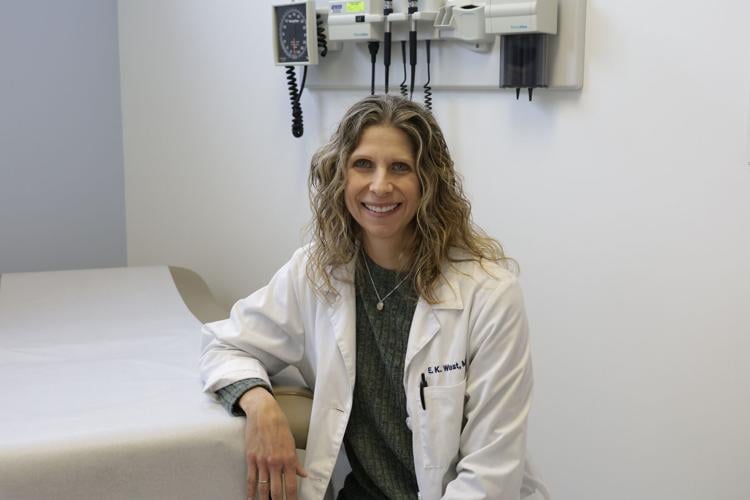
“We don’t see a lot of parasitic infections in the U.S., so it’s more unusual than a routine norovirus outbreak that we see year after year,” said Dr. Erica Kaufman West, an infectious disease physician with Franciscan Physician Network in Dyer and Munster.
People are also reading…
While the Centers for Disease Control and Prevention had confirmed more than 10,000 cases of cyclosporiasis as of early August, the federal agency estimates that salmonella sickens nearly 1.35 million in the U.S. each year. Norovirus causes about 5.5 million foodborne illnesses annually.
“The main bacteria that can cause foodborne illnesses include salmonella, E. coli, listeria and campylobacter,” said Dr. Janet Seabrook, City of Gary health commissioner. “The most common viruses are norovirus and hepatitis A. Poor handwashing among food handlers and contaminated water are the most likely causes.”
Regardless of pathogen type, foodborne illness symptoms are generally similar. They can even mimic what people experience with mild stomach bugs not related to food: Nausea, vomiting, diarrhea, stomach cramps and sometimes fever.
“The timing depends on what caused the illness,” said Matthew Paul, administrator for the Porter County Health Department. “Some toxins can cause symptoms within a few hours, while viruses typically cause illness within 12 to 48 hours. Bacterial and parasitic infections may not cause symptoms for several days or even a week or more. That’s one reason it can be difficult for people to identify which food made them sick.”
Most healthy adults recover from mild foodborne illnesses with rest and hydration, Paul says. However, more serious symptoms – a fever of more than 102 degrees Fahrenheit, bloody diarrhea and persistent vomiting – require a trip to the doctor.
“Testing is also important when multiple people become sick after eating together or when someone works in food service, health care or childcare, where preventing further spread is especially important,” he said.
However, it can be challenging to prevent foodborne illness when many of the pathogens that cause it are invisible and can contaminate food without changing its appearance or taste. Making matters worse, Dr. Aniruddha Hazra says, is the loss of some institutional safeguards that have helped protect the nation’s food supply.
“A lot of the safety mechanisms and guardrails to ensure access to safe food have been slowly disbanded or removed over the past 18 months,” said the associate professor of medicine and director of the Infectious Diseases Fellowship Program at UChicago Medicine. “I think it’s important for us as consumers to be aware of that.”
Workforce reductions at the Food and Drug Administration and U.S. Department of Agriculture, as well as updates in foodborne-illness reporting at the federal level, have raised concerns among infectious disease specialists, including Hazra.
“When we think about safety in foods, there are things we as individuals need to start thinking about to ensure we have mitigated any of these potential issues that historically would have been mitigated by the U.S. government,” Hazra said.
Still, West says technology advances have made it easier overall to detect foodborne illnesses.
“It used to be that the only way to diagnose was to do a stool culture,” she said. “Stool has a ton of bacteria in it at baseline, so I always thought it was a miracle that lab techs could find anything. Now we have the ability to detect fragments of nucleic acids of various potential pathogens.”
Dr. Chandana Vavilala, health officer for the Lake County Health Department, says outbreak investigations often require collaboration among local, state and federal public health agencies. Investigators interview patients about what they ate, compare patterns among cases, analyze lab results and trace foods through the distribution chain. This can pose another challenge for investigators – people may not remember what they ate days or weeks earlier, and ingredients are often mixed into multiple foods.
The tracing process requires diligence and begins when hospitals and doctors’ offices report cases to public health authorities, which, in turn, report cases to the U.S. Centers for Disease Control and Prevention, Seabrook said. Source points may include farmers, processors, distributors, stores and restaurants.
“It takes a combination of good history taken from the medical professionals to get the patient to look back at where they have eaten, shopped and made purchases, and who they have been in contact with,” she said.
By taking some simple precautionary steps, Vavilala says consumers can reduce their risk of getting sick.
“Food safety begins with proper food handling, but maintaining a healthy immune system is also important,” she said. “Simple habits like staying hydrated, eating nutritious foods, getting enough sleep and being physically active help keep our bodies resilient and better prepared to recover from illness.”
How to lower your risk of foodborne illnesses
To help reduce your risk of foodborne illness, infectious disease and public health experts in the Region share these simple food-safety tips.
Know which foods require extra attention.
“Foods requiring extra caution include raw or undercooked meat, poultry, seafood, eggs, raw sprouts and fresh produce that is eaten without cooking,” said Dr. Chandana Vavilala, health officer for the Lake County Health Department.
Keep foods such as raw meat and eggs separate from ready-to-eat foods such as produce, she added.
Wash your produce.
“Process is incredibly important to ensuring food safety,” says Dr. Aniruddha Hazra, director of the Infectious Diseases Fellowship Program at UChicago Medicine. “Use one part vinegar, three parts water. Let them soak for about five minutes and rinse them off.”
This includes produce where you need to cut through the skin or peel to consume, says Dr. Erica Kaufman West, an infectious disease physician with Franciscan Physician Network in Dyer and Munster.
“The bacteria on the outside of a pineapple will get pushed right into the fleshy fruit when you cut through it,” she said. “It’s easy enough – just wash it all.”
The Food and Drug Administration also advises that clean running water and applying physical friction when washing can help lower bacteria levels, though washing won’t always eliminate all dangerous bacteria or affect parasites with tough outer shells.
Wash your hands.
In addition to washing produce, handwashing should become a routine part of daily life, Vavilala says.
“Wash your hands before preparing or eating food, after handling raw meat and after touching pets, animal food or cleaning up after animals,” she said.
Avoid unpasteurized products.
It’s a myth that pasteurizing food products including orange juice and dairy can significantly remove nutrients or macronutrients, Hazra says. When a food is pasteurized, it is briefly heated to a specific temperature to kill harmful bacteria and other pathogens.
“It’s a centuries-old mechanism to make sure what we consume is safe, regardless of what you may be hearing from other sources that typically have their own agendas,” he said.
Take extra steps when a food is recalled.
While consumers should throw away or return recalled food to the place it was purchased, Matthew Paul, administrator for the Porter County Health Department, says it’s important to clean and sanitize any surfaces, utensils or containers that came into contact with the product.
“If someone has eaten the product and develops symptoms, they should contact their health-care provider,” he said.
Use a meat thermometer.
“Many people rely on appearance alone, but the only reliable way to know food has reached a safe temperature is by checking it with a thermometer,” Paul said.
How to lower your risk of foodborne illnesses
To help reduce your risk of foodborne illness, infectious disease and public health experts in the Region share these simple food-safety tips.
Know which foods require extra attention.
“Foods requiring extra caution include raw or undercooked meat, poultry, seafood, eggs, raw sprouts and fresh produce that is eaten without cooking,” said Dr. Chandana Vavilala, health officer for the Lake County Health Department.
Keep foods such as raw meat and eggs separate from ready-to-eat foods such as produce, she added.
Wash your produce.
“Process is incredibly important to ensuring food safety,” says Dr. Aniruddha Hazra, director of the Infectious Diseases Fellowship Program at UChicago Medicine. “Use one part vinegar, three parts water. Let them soak for about five minutes and rinse them off.”
This includes produce where you need to cut through the skin or peel to consume, says Dr. Erica Kaufman West, an infectious disease physician with Franciscan Physician Network in Dyer and Munster.
“The bacteria on the outside of a pineapple will get pushed right into the fleshy fruit when you cut through it,” she said. “It’s easy enough – just wash it all.”
The Food and Drug Administration also advises that clean running water and applying physical friction when washing can help lower bacteria levels, though washing won’t always eliminate all dangerous bacteria or affect parasites with tough outer shells.
Wash your hands.
In addition to washing produce, handwashing should become a routine part of daily life, Vavilala says.
“Wash your hands before preparing or eating food, after handling raw meat and after touching pets, animal food or cleaning up after animals,” she said.
Avoid unpasteurized products.
It’s a myth that pasteurizing food products including orange juice and dairy can significantly remove nutrients or macronutrients, Hazra says. When a food is pasteurized, it is briefly heated to a specific temperature to kill harmful bacteria and other pathogens.
“It’s a centuries-old mechanism to make sure what we consume is safe, regardless of what you may be hearing from other sources that typically have their own agendas,” he said.
Take extra steps when a food is recalled.
While consumers should throw away or return recalled food to the place it was purchased, Matthew Paul, administrator for the Porter County Health Department, says it’s important to clean and sanitize any surfaces, utensils or containers that came into contact with the product.
“If someone has eaten the product and develops symptoms, they should contact their health-care provider,” he said.
Use a meat thermometer.
“Many people rely on appearance alone, but the only reliable way to know food has reached a safe temperature is by checking it with a thermometer,” Paul said.
How to lower your risk of foodborne illnesses
To help reduce your risk of foodborne illness, infectious disease and public health experts in the Region share these simple food-safety tips.
Know which foods require extra attention.
“Foods requiring extra caution include raw or undercooked meat, poultry, seafood, eggs, raw sprouts and fresh produce that is eaten without cooking,” said Dr. Chandana Vavilala, health officer for the Lake County Health Department.
Keep foods such as raw meat and eggs separate from ready-to-eat foods such as produce, she added.
Wash your produce.
“Process is incredibly important to ensuring food safety,” says Dr. Aniruddha Hazra, director of the Infectious Diseases Fellowship Program at UChicago Medicine. “Use one part vinegar, three parts water. Let them soak for about five minutes and rinse them off.”
This includes produce where you need to cut through the skin or peel to consume, says Dr. Erica Kaufman West, an infectious disease physician with Franciscan Physician Network in Dyer and Munster.
“The bacteria on the outside of a pineapple will get pushed right into the fleshy fruit when you cut through it,” she said. “It’s easy enough – just wash it all.”
The Food and Drug Administration also advises that clean running water and applying physical friction when washing can help lower bacteria levels, though washing won’t always eliminate all dangerous bacteria or affect parasites with tough outer shells.
Wash your hands.
In addition to washing produce, handwashing should become a routine part of daily life, Vavilala says.
“Wash your hands before preparing or eating food, after handling raw meat and after touching pets, animal food or cleaning up after animals,” she said.
Avoid unpasteurized products.
It’s a myth that pasteurizing food products including orange juice and dairy can significantly remove nutrients or macronutrients, Hazra says. When a food is pasteurized, it is briefly heated to a specific temperature to kill harmful bacteria and other pathogens.
“It’s a centuries-old mechanism to make sure what we consume is safe, regardless of what you may be hearing from other sources that typically have their own agendas,” he said.
Take extra steps when a food is recalled.
While consumers should throw away or return recalled food to the place it was purchased, Matthew Paul, administrator for the Porter County Health Department, says it’s important to clean and sanitize any surfaces, utensils or containers that came into contact with the product.
“If someone has eaten the product and develops symptoms, they should contact their health-care provider,” he said.
Use a meat thermometer.
“Many people rely on appearance alone, but the only reliable way to know food has reached a safe temperature is by checking it with a thermometer,” Paul said.
How to lower your risk of foodborne illnesses
To help reduce your risk of foodborne illness, infectious disease and public health experts in the Region share these simple food-safety tips.
Know which foods require extra attention.
“Foods requiring extra caution include raw or undercooked meat, poultry, seafood, eggs, raw sprouts and fresh produce that is eaten without cooking,” said Dr. Chandana Vavilala, health officer for the Lake County Health Department.
Keep foods such as raw meat and eggs separate from ready-to-eat foods such as produce, she added.
Wash your produce.
“Process is incredibly important to ensuring food safety,” says Dr. Aniruddha Hazra, director of the Infectious Diseases Fellowship Program at UChicago Medicine. “Use one part vinegar, three parts water. Let them soak for about five minutes and rinse them off.”
This includes produce where you need to cut through the skin or peel to consume, says Dr. Erica Kaufman West, an infectious disease physician with Franciscan Physician Network in Dyer and Munster.
“The bacteria on the outside of a pineapple will get pushed right into the fleshy fruit when you cut through it,” she said. “It’s easy enough – just wash it all.”
The Food and Drug Administration also advises that clean running water and applying physical friction when washing can help lower bacteria levels, though washing won’t always eliminate all dangerous bacteria or affect parasites with tough outer shells.
Wash your hands.
In addition to washing produce, handwashing should become a routine part of daily life, Vavilala says.
“Wash your hands before preparing or eating food, after handling raw meat and after touching pets, animal food or cleaning up after animals,” she said.
Avoid unpasteurized products.
It’s a myth that pasteurizing food products including orange juice and dairy can significantly remove nutrients or macronutrients, Hazra says. When a food is pasteurized, it is briefly heated to a specific temperature to kill harmful bacteria and other pathogens.
“It’s a centuries-old mechanism to make sure what we consume is safe, regardless of what you may be hearing from other sources that typically have their own agendas,” he said.
Take extra steps when a food is recalled.
While consumers should throw away or return recalled food to the place it was purchased, Matthew Paul, administrator for the Porter County Health Department, says it’s important to clean and sanitize any surfaces, utensils or containers that came into contact with the product.
“If someone has eaten the product and develops symptoms, they should contact their health-care provider,” he said.
Use a meat thermometer.
“Many people rely on appearance alone, but the only reliable way to know food has reached a safe temperature is by checking it with a thermometer,” Paul said.
How to lower your risk of foodborne illnesses
To help reduce your risk of foodborne illness, infectious disease and public health experts in the Region share these simple food-safety tips.
Know which foods require extra attention.
“Foods requiring extra caution include raw or undercooked meat, poultry, seafood, eggs, raw sprouts and fresh produce that is eaten without cooking,” said Dr. Chandana Vavilala, health officer for the Lake County Health Department.
Keep foods such as raw meat and eggs separate from ready-to-eat foods such as produce, she added.
Wash your produce.
“Process is incredibly important to ensuring food safety,” says Dr. Aniruddha Hazra, director of the Infectious Diseases Fellowship Program at UChicago Medicine. “Use one part vinegar, three parts water. Let them soak for about five minutes and rinse them off.”
This includes produce where you need to cut through the skin or peel to consume, says Dr. Erica Kaufman West, an infectious disease physician with Franciscan Physician Network in Dyer and Munster.
“The bacteria on the outside of a pineapple will get pushed right into the fleshy fruit when you cut through it,” she said. “It’s easy enough – just wash it all.”
The Food and Drug Administration also advises that clean running water and applying physical friction when washing can help lower bacteria levels, though washing won’t always eliminate all dangerous bacteria or affect parasites with tough outer shells.
Wash your hands.
In addition to washing produce, handwashing should become a routine part of daily life, Vavilala says.
“Wash your hands before preparing or eating food, after handling raw meat and after touching pets, animal food or cleaning up after animals,” she said.
Avoid unpasteurized products.
It’s a myth that pasteurizing food products including orange juice and dairy can significantly remove nutrients or macronutrients, Hazra says. When a food is pasteurized, it is briefly heated to a specific temperature to kill harmful bacteria and other pathogens.
“It’s a centuries-old mechanism to make sure what we consume is safe, regardless of what you may be hearing from other sources that typically have their own agendas,” he said.
Take extra steps when a food is recalled.
While consumers should throw away or return recalled food to the place it was purchased, Matthew Paul, administrator for the Porter County Health Department, says it’s important to clean and sanitize any surfaces, utensils or containers that came into contact with the product.
“If someone has eaten the product and develops symptoms, they should contact their health-care provider,” he said.
Use a meat thermometer.
“Many people rely on appearance alone, but the only reliable way to know food has reached a safe temperature is by checking it with a thermometer,” Paul said.


